-
Courses
Courses
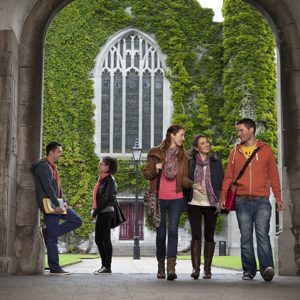
Choosing a course is one of the most important decisions you'll ever make! View our courses and see what our students and lecturers have to say about the courses you are interested in at the links below.
-
University Life
University Life
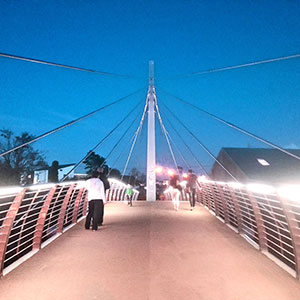
Each year more than 4,000 choose University of Galway as their University of choice. Find out what life at University of Galway is all about here.
-
About University of Galway
About University of Galway
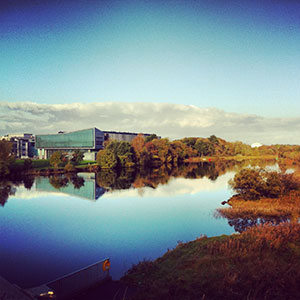
Since 1845, University of Galway has been sharing the highest quality teaching and research with Ireland and the world. Find out what makes our University so special – from our distinguished history to the latest news and campus developments.
-
Colleges & Schools
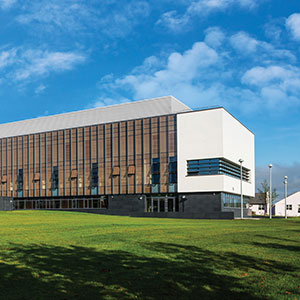
Colleges & Schools
University of Galway has earned international recognition as a research-led university with a commitment to top quality teaching across a range of key areas of expertise.
-
Research & Innovation
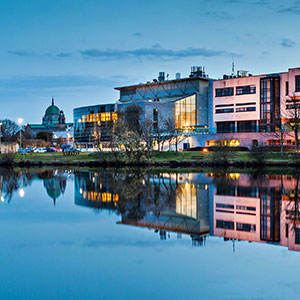
Research & Innovation
University of Galway’s vibrant research community take on some of the most pressing challenges of our times.
-
Business & Industry
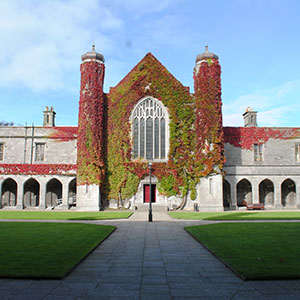
Guiding Breakthrough Research at University of Galway
We explore and facilitate commercial opportunities for the research community at University of Galway, as well as facilitating industry partnership.
-
Alumni & Friends
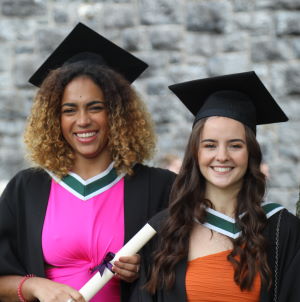
Alumni & Friends
There are 128,000 University of Galway alumni worldwide. Stay connected to your alumni community! Join our social networks and update your details online.
-
Community Engagement
Community Engagement
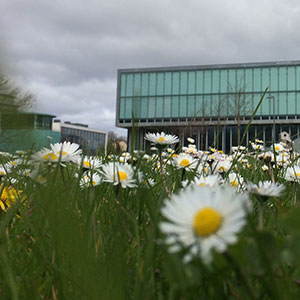
At University of Galway, we believe that the best learning takes place when you apply what you learn in a real world context. That's why many of our courses include work placements or community projects.
 Accessibility & Language
October
Tuesday, 20 October 2026
New research from University of Galway shows that transformative changes in farming and land use could mitigate huge risks facing Ireland’s farmers and taxpayers over the coming decades. The findings underline how current farming practices and land use patterns leave Ireland vulnerable to inevitable global shocks, including climate change impacts and trade disruptions. By making greater use of farm and food by-products, alongside ambitious climate action, circular farming could diversify revenue streams and reduce risk. The research has been published in two new scientific articles in Nature portfolio journals. The first study published in npj – Sustainable Agriculture applies alternative solutions to evaluate land use strategies developed as part of Ireland’s Land Use Review Phase 2, a government‑led assessment that examines how Ireland’s land can best meet climate, biodiversity, food production and rural livelihood goals out to 2050. The second study published in Nature Communications Earth & Environment explored a range of future farming and land use alternatives that achieved climate neutrality by 2050 and embedded high levels of circularity – recycling biological resources to supply animal feed and bioenergy generation. Both studies illustrate the increasing costs likely to face farmers, taxpayers and consumers if difficult decisions on subsidy reform and land strategy are kicked further down the road. They also provide robust evidence for policy makers and farming stakeholders grappling with difficult decisions on how to balance apparently competing objectives for land. The research was led by Professor David Styles and Dr Daniel Henn from the Ryan Institute at University of Galway. Professor David Styles from the Ryan Institute at University of Galway, said: “Business as usual exposes Irish farmers to pollution pricing in a sustainable future, trade barriers in a regional rivalry future, and climate-change-driven productivity losses in a fossil-fuelled-growth future. More diversified farming could help insulate Irish farmers, consumers and taxpayers to this plethora of risks, whilst improving food and energy security and supporting a vibrant agri-food sector less exposed to reputational risk and trade barriers.” In his research, Professor Styles assessed five possible futures drawn from outlooks used by the global climate and economic research communities. Ambitious climate-neutral bioeconomy and alternative‑protein scenarios include: More use of home‑grown peas and pulses Refined protein extracted from grass biorefineries Low-input multifunctional bioenergy crops such as willow High levels of technology adoption More diversified land use These scenarios were found to dramatically reduce emissions while lowering exposure to future risks. Dr Henn’s alternative research scenarios included dairy specialisation, food production diversification and national food self-sufficiency. Advanced circular animal feed included refined by-products from breweries and other food industries, and insect meal produced from insects fed on food waste. Novel indicators to evaluate sustainability and resilience considered factors such as import dependency, net human-edible protein production, total land requirement for agriculture and bioenergy generation, alongside greenhouse gas emissions and nutrient losses to water. Findings showed that circular farming strategies could reduce Ireland’s exposure to future market, regulatory and climate threats - through the substitution of imported feed, food, fertiliser and fossil energy. Dr Daniel Henn, Postdoctoral Researcher at the Ryan Institute, University of Galway, said: “Increased circular agriculture is more resilient to future volatility. Embedding it within the ambitious land use strategies needed to achieve climate neutrality can create more robust, self-sustaining farming systems that are better able to cope with climate and geopolitical shocks.” Dr Colm Duffy, Research Fellow at the Ryan Institute, University of Galway, said: “Better use of Ireland’s abundant bioresources could substantially lower import demands. While this creates obvious economic benefits for society as a whole, benefits need to be translated to farmer incomes.” Both studies underline the pivotal role of diversification, and the need for long-term strategic policymaking that reconciles climate, biodiversity, food security and rural livelihood objectives for farming and downstream bioeconomy sectors, such as timber for construction and advanced biofuels for aviation and shipping. This research involved partners from Munster Technological University, the Norwegian Institute of Bioeconomy Research (NIBIO) and Fers Ltd. Funding support was from the Department of Climate, Energy and the Environment and the Department of Agriculture Food and the Marine. The first study published in npj – Sustainable Agriculture can be read here. The second study published in Nature Communications Earth & Environment can be read here. Ends
Monday, 19 October 2026
A family’s connection with University of Galway spans more than 90 years and four generations of women. Hannah Clarke, from Banagher, Co Offaly, graduated today with a Bachelor of Arts in History and Politics. She follows in the footsteps of her great-grandmother, grandmother and mother. Her great-grandmother, Mary C. Whyte, later Mary Dwyer, from Tuam, Co Galway, graduated with a Bachelor of Commerce in 1934. Her grandmother, Margaret Moloney, also from Tuam, received a Certificate in Social Studies in 1996, while her mother, Anne Clarke, from Banagher, Co Offaly, graduated with a First-Class Honours Executive MBA in 2025. After the ceremony, the family visited the University Library, where they were shown Mary C. Whyte’s signature in the student register from when she first enrolled at the University. Hannah said: “Today I became the fourth generation of my family to study here at University of Galway. The women who came before me have been a true inspiration. Walking around the college over the last three years, knowing that my great grandmother, grandmother and mother walked the same paths that I did, every day, was an inspiration.” Margaret Moloney, Hannah’s grandmother said: “My mother graduated from here in 1934 with a BComm and she went on to work in accountancy for Coca Cola in Tuam, and I graduated from here in 1996 with Social Studies. My mother was a very unassuming and humble person. She never bragged about anything, and she loved education. Today is the first time I ever saw her name here in the register in University of Galway and it brought tears to my eyes to see her name because we always knew about it, but she never bragged. She let us all choose our own paths and what we did. There were six of us and our father died when we were young, so she had to work and provide for us. In fact, she worked two jobs to rear us. She was a wonderful woman.” Hannah’s mother Anne Clarke said: “I graduated from University of Galway last year, so I am third generation of Dwyer women to graduate here. It was a really emotional day to see my mom crying seeing her own mother’s name in the book. Our grandmother has always been our aspiring hero, because from a very young age we knew she’d been in college. Third-level education was a given. There was no finishing at Leaving Cert. We were all going to college. To follow, and to know that you stand on the shoulders of the legacy of the women who went before you, is truly humbling and amazing.” Ends
Monday, 19 October 2026
Meallann taispeántas comhoibrithe idir Ollscoil na Gaillimhe agus Músaem Cathrach na Gaillimhe – ‘Scéalta ó na Marthanóirí: Stair Institiúideach Thuama agus na hÉireann’ beagnach 64,000 cuairteoir Tá comhpháirtíocht straitéiseach nua curtha ar bun ag Ollscoil na Gaillimhe le Músaem Cathrach na Gaillimhe chun comhoibriú ar thionscnaimh oideachais agus chultúrtha ardtionchair. Ag an ócáid oifigiúil ag ar síníodh an chomhpháirtíocht, bhuail an tOllamh David Burn, Uachtarán Ollscoil na Gaillimhe agus Leonard Cleary, Príomhfheidhmeannach Chomhairle Cathrach na Gaillimhe le daoine a tháinig slán ó institiúid Máithreacha agus Naíonán Thuama chun tuairimí, machnaimh agus aiseolas na gcuairteoirí a bailíodh ag an taispeántas, Scéalta ó na Marthanóirí: Stair Institiúideach Thuama agus na hÉireann a léamh. Is comhoibriú idir Ollscoil na Gaillimhe agus Músaem Cathrach na Gaillimhe atá sa taispeántas cumhachtach seo a bhí ar siúl idir an 1 Iúil agus an 26 Meán Fómhair 2026. Comhchruthaíodh é i gcomhar le Tionscadal Béaloidis Thuama de chuid Ollscoil na Gaillimhe, atá á stiúradh acu siúd a tháinig slán, agus is é an chéad tionscnamh tiomnaithe músaeim é a dhíríonn ar institiúidí Máithreacha agus Naíonán agus an tionchar a bhí acu ar shochaí na hÉireann. Thug beagnach 64,000 duine cuairt ar an taispeántas. Bhuail an tUachtarán Burn agus an tUasal Cleary le grúpa turasóirí ó Mheiriceá a thaistil go Gaillimh chun éisteacht lena dtuairimí tar éis dóibh an taispeántas a fheiceáil. Thug 29 grúpa turasóireachta as na Stáit Aontaithe cuairt ar an taispeántas Scéalta ó na Marthanóirí, agus tá pleananna ar bun anois an taispeántas a thabhairt ar camchuairt in 2027. Chomh maith leis sin, thaistil daoine a tháinig slán ó institiúidí eile go Gaillimh lena dteaghlaigh chun an taispeántas a fheiceáil agus a úsáid mar dheis chun a stair phearsanta féin a phróiseáil. Léirigh an t-aiseolas a fuarthas ag an taispeántas ón mbosca tuairimí cé chomh cumhachtach is atá an taispeántas, ag spreagadh mothúcháin éagsúla lena n-áirítear brón agus fearg mar gheall ar ghníomhartha an Stáit agus institiúidí reiligiúnacha maidir leis an gcaoi ar caitheadh le mná agus naíonáin le linn na tréimhse sin. Dúirt an tOllamh David Burn, Uachtarán Ollscoil na Gaillimhe: “Tá áthas orainn an chomhpháirtíocht straitéiseach cúig bliana seo a bhunú le Músaem Cathrach na Gaillimhe. Tá naisc láidre chultúrtha, oideachais agus taighde idir Ollscoil na Gaillimhe agus Músaem Cathrach na Gaillimhe agus is iontach an rud é an chomhpháirtíocht chomhoibríoch thábhachtach seo a fhorbairt go foirmiúil. “Is samplaí iontacha atá i dtaispeántas na hinstitiúide Máithreacha agus Naíonán agus taispeántas Teicneolaíochta Leighis FORDHAONNA i Músaem Cathrach na Gaillimhe den chaoi ar féidir linn lucht féachana i bhfad níos leithne a mhealladh agus dul i ngleic leo tríd an gcomhpháirtíocht chomhchruthaitheach seo a bhfuil tionchar tábhachtach aici ar shaol na ndaoine, agus a shaibhríonn taithí oideachais ár mac léinn agus ár ngníomhaíochtaí taighde ag an am céanna.” Thar thréimhse cúig bliana 2026-2030, oibreoidh Ollscoil na Gaillimhe agus Músaem Cathrach na Gaillimhe le chéile ar thionscnaimh sna réimsí seo a leanas: Forbairt taispeántas; tionscadail sna daonnachtaí digiteacha; cláir phoiblí; bailiúcháin agus tionscadail oidhreachta; taighde agus foghlaim mac léinn; agus rannpháirtíocht phobail. Dúirt Leonard Cleary, Príomhfheidhmeannach Chomhairle Cathrach na Gaillimhe: “Tá comhoibriú ar siúl idir an Músaem agus an Ollscoil ar go leor tionscnaimh dhearfacha le roinnt blianta, agus cuireann síniú na cáipéise seo leis an obair seo, agus ag an am céanna is éacht tábhachtach nua atá sa chomhpháirtíocht seo, ina bhfuilimid tiomanta do chomhordú straitéiseach agus comhroinnt acmhainní ar leibhéal níos mó. “Cuireann an síneadh agus an athfhorbairt atá á déanamh ar an músaem, a bhfuil tacaíocht mhór €12.3 milliún faighte ina leith ó Fáilte Ireland, deis iontach ar fáil chun uaillmhianta ár gcomhpháirtíochta leis an Ollscoil a mhéadú, saineolas agus acmhainní a roinnt chun taispeántais, tionscadail agus cláir phoiblí den scoth a chomhchruthú ar mhaithe lenár gcuairteoirí, mic léinn agus an pobal i gcoitinne.” Cuirfidh an chomhpháirtíocht nua creat ar fáil chun naisc idir an dá pháirtí a neartú chun comhoibriú a dhéanamh ar thionscadail a bhfuil tábhacht straitéiseach chomhroinnte leo. I measc na dtionscadal i gceist, áirítear iad seo a leanas: Forbairt an Taispeántais FORDHAONNA – Taispeántas soghluaiste a fhorbairt as an taispeántas reatha Teicneolaíochta Leighis i Músaem Cathrach na Gaillimhe, arna fhorbairt i gcomhar le Rinn Medical Devices in Ollscoil na Gaillimhe, a chuireann forbairt na Gaillimhe agus na hÉireann mar mhol Teicneolaíochta Leighis os comhair an phobail. ‘Stair Institiúideach na Gaillimhe a Mhapáil’ – forbairt ar olltaispeántas a bhaineann le stair níos leithne na n-institiúidí i nGaillimh. Clár Comórtha Céad Bliain ar Phádraic Ó Conaire – Pleananna a fhorbairt do chlár rannpháirtíochta poiblí in 2028 chun ceiliúradh a dhéanamh ar shaothar an scríbhneora Gaeilge, Pádraic Ó Conaire. Bailiúcháin agus Rochtain Dhigiteach – Deiseanna a aithint maidir le comhoibriú ar chartlanna agus ar dhigitiú a thacaíonn le tionscnaimh sna daonnachtaí digiteacha a úsáideann teicneolaíocht chun oidhreacht chultúrtha a fhiosrú, a léirmhíniú agus a roinnt. Clár Taighde agus Rannpháirtíochta Poiblí – Pléphainéil chomhoibríocha agus imeachtaí rannpháirtíochta pobail, amhail bailiúcháin agus cláir mhúsaeim. Críoch
Monday, 19 October 2026
University of Galway and Galway City Museum collaboration - ‘Survivor Stories: Tuam and Ireland's Institutional Past’ exhibition attracts almost 64,000 visitors University of Galway has formed a new strategic partnership with Galway City Museum to collaborate on high-impact educational and cultural initiatives. At the official partnership signing, Professor David Burn, University of Galway President and Leonard Cleary, Galway City Council Chief Executive met with survivors from the Tuam Mother and Baby institution to read visitor comments, reflections and feedback gathered from the exhibition, Survivor Stories: Tuam and Ireland's Institutional Past. The powerful exhibition is a University of Galway and Galway City Museum collaboration which ran from July 1 to September 26, 2026. It was co-created with University of Galway's survivor-led Tuam Oral History Project and is the first dedicated museum installation to focus on Mother and Baby institutions and their impact on Irish society. Almost 64,000 people visited the exhibition. President Burn and Mr Cleary also met with a US tour group who travelled to Galway to hear directly about their experience after viewing the exhibition. A total of 29 US tour groups visited Survivor Stories, and plans are now underway for the exhibition to tour in 2027. The exhibition also saw survivors of other institutions travelling to Galway with family to experience the exhibition and use it as an opportunity to process their own personal histories. Feedback received from the exhibition comments box has spoken of how powerful the exhibition is, eliciting emotional responses from sadness to rage at the actions of the State and religious institutions over the treatment of women and children during the period. Professor David Burn, President of University of Galway, said: “We are delighted to establish this new five-year strategic partnership with Galway City Museum. University of Galway shares strong cultural, educational and research links with Galway City Museum and it is wonderful to formally develop this important collaborative partnership. “The Mother and Baby institution exhibition and SUPERHUMAN MedTech exhibit at Galway City Museum are wonderful examples of how we can reach and engage with a much wider public audience through this co-creative partnership that impacts lives in a meaningful way, while also enriching our students’ educational experience and our research activities.” Over a five-year period 2026-2030, University of Galway and Galway City Museum will work together on initiatives in the following areas: Exhibition development; Digital humanities projects; Public programming; Heritage collections and projects; Research and Student learning; and Community engagement. Leonard Cleary, Chief Executive of Galway City Council, said: “The Museum and University have collaborated on many positive initiatives over the years, and the signing of this document builds on this work, while representing an important new milestone in the partnership, in which we commit to a greater level of strategic coordination and resource-sharing. “The ongoing extension and redevelopment of the museum, supported by a major €12.3 million investment from Fáilte Ireland, presents an extraordinary opportunity to raise the ambitions of our partnership with the University, sharing expertise and resources to co-create world-class exhibitions, projects and public programmes for the benefit of visitors, students and the wider community.” The new partnership will provide a framework to strengthen ties between the two parties to collaborate on projects of shared strategic importance. Projects include: SUPERHUMAN Exhibition Development - Develop a mobile exhibition of the current Medical Technology exhibit at Galway City Museum, developed with Rinn Medical Devices at University of Galway, showcasing the development of Galway and Ireland as a Medtech hub. ‘Mapping Galway’s Institutional Past’ – the development of a major exhibition on the wider history of institutionalisation in Galway. Pádraic Ó Conaire Centenary Programme - Develop plans for a public engagement programme in 2028 to celebrate the work of Irish language writer Pádraic Ó Conaire. Collections and Digital Access - Identify opportunities for collaboration on archives and digitisation that support digital humanities initiatives using technology to explore, interpret, and share cultural heritage. Research and Public Engagement Programme - Collaborative panel discussions and community engagement events, such as museum collections and programmes. Ends
Thursday, 15 October 2026
Déanann Ollscoil na Gaillimhe ceiliúradh ar a bhfuil bainte amach ag beagnach 2,800 céimí agus tús á chur inniu le searmanais bhronnta an fhómhair. Tá fáilte á chur roimh na mílte céimí, a muintir agus a gcairde ar an gcampas agus na searmanais ag tosú inniu agus ag leanúint go dtí Dé Máirt, an 20 Deireadh Fómhair, agus arís Dé hAoine, an 23 Deireadh Fómhair. Bronnfar céimeanna Baitsiléara, Máistreachta agus PhD ar chéimithe ó cheithre Choláiste na hOllscoile. Dúirt an tOllamh David Burn, Uachtarán Ollscoil na Gaillimhe: “Is mór an pléisiúr an lá mór seo a cheiliúradh in éineacht lenár gcéimithe agus a dteaghlaigh agus a gcairde. Is é lá bronnta na céime an toradh ar bhlianta d’obair chrua, dúthracht agus tiomantas, agus tréaslaím le gach duine acu as a bhfuil bainte amach acu. “Is ionann na céimithe seo agus an chéad ghlúin eile de ghairmithe, taighdeoirí, ceannairí agus gníomhaithe athraithe agus táimid ag tnúth leis an gcion tairbhe a dhéanfaidh siad a fheiceáil sna blianta romhainn. Guím gach rath orthu agus iad ag cur tús leis an gcéad chaibidil eile dá saoil.” Tá sceideal iomlán shearmanais bhronnta an fhómhair 2026 le fáil ag https://www.universityofgalway.ie/conferring/guide/autumn-conferring/ Críoch
Thursday, 15 October 2026
University of Galway will celebrate the achievements of almost 2,800 graduates as its autumn conferring ceremonies begin today. Thousands of graduates, their families and friends are being welcomed to campus, with ceremonies running from today through Tuesday October 20th and continuing again on Friday October 23rd. Graduates from across the University’s four Colleges will receive awards ranging from Bachelor, Masters and PhD degrees. Professor David Burn, President of University of Galway, said: “It is a great pleasure to celebrate this important milestone with our graduates and their families and friends. Graduation is the culmination of years of hard work, dedication and commitment, and I congratulate every graduate on their achievement. “These graduates are the next generation of professionals, researchers, leaders and changemakers, and we look forward to seeing the contribution they will make in the years ahead. I wish each of them every success as they begin the next chapter of their lives.” The full schedule for the 2026 autumn conferring ceremonies is available at https://www.universityofgalway.ie/conferring/conferring-information/autumn-conferring/ Ends
Wednesday, 14 October 2026
University of Galway has been recognised for its international reputation for marine and ocean research with the award of the Jean Monnet Centre of Excellence for Ocean Futures, Science and Diplomacy. The recognition from the European Commission has been announced following the Atlantic Summit Galway 2026, an international gathering of leading ocean strategists, researchers, policymakers, innovators and representatives of Atlantic communities jointly organised by University of Galway, the Marine Institute and Atlantic Technological University. The Jean Monnet Centre of Excellence seeks to strengthen understanding of the European Union’s role in shaping the future of Atlantic and global ocean and coasts through integrated education, research and policy engagement. Professor Frances Fahy, Director of the Ryan Institute at University of Galway, said: “We are honoured to have been awarded the Jean Monnet Centre of Excellence for Ocean Futures, Science and Diplomacy. This prestigious European recognition builds on decades of marine, ocean and coastal research excellence at the Ryan Institute in University of Galway and recognises our position as a leading hub for research, education and collaboration in this field. ”The Centre also looks firmly to the future, directly supporting the University’s strategic ambition for ocean research. It also provides an important new platform through which to build on our expertise, strengthening the impact of ocean and coastal research on society, policy and business; creating new opportunities for teaching and intergenerational learning; and deepening collaboration between researchers, policymakers, communities and international partners. ”As a leading research-intensive university, we have a distinctive opportunity, and responsibility, to connect world-class research with policy, diplomacy and society, and to help shape a sustainable and inclusive future for our ocean and coastal communities. The Jean Monnet Centre of Excellence will play a huge role in that.” Sieglinde Gruber, Chair of the International Advisory Board for the Jean Monnet Centre for Ocean Futures and former Director-General for Research and Innovation of the European Commission, said: “Jean Monnet understood that Europe is built not simply by institutions, but by bringing people together around common challenges. The ocean reminds us that this task has no borders - and intergenerational cooperation reminds us that it has no age. European added value lies precisely there: in connecting countries, knowledge and generations to achieve together what none of us can achieve alone.” The Jean Monnet Centre of Excellence for Ocean Futures, Science and Diplomacy at University of Galway is led by Professor Louise Allcock in Zoology and Dr Stefan Fritz, Adjunct Professor. It will bring together academics from across the university’s research disciplines, enabling University of Galway to further develop its international profile and leadership in ocean research by creating a unique space within the EU to teach, research and debate the roles of marine and coastal sciences in global ocean and coastal policy processes. It will also support the EU’s capacity to respond coherently to complex global challenges that intersect climate and biodiversity change, human pressures such as migration and maritime security and the pursuit of peaceful international relations. Professor Louise Allcock, Co-Director of Centre at the University of Galway, said: “The Jean Monnet Centre of Excellence for Ocean Futures, Science and Diplomacy will provide learning opportunities in ocean science, ocean governance and Atlantic policy-making, equipping a new generation of ocean leaders to build a sustainable and socially equitable ocean.” Dr Stefan Fritz, Co-Director of the Centre and Adjunct Lecturer at the Ryan Institute, University of Galway, said: “With the generous support of the EU and the University of Galway, we are working with local and international partners to make Galway a hub for science that supports peaceful, sustainable and community-led coastal and ocean futures across the Atlantic and beyond.” The Atlantic Summit was held over two days at University of Galway, as an Associated Event of Ireland’s Presidency of the Council of the European Union 2026, supported by the Department of Further and Higher Education, Research, Innovation and Science. It explored how research, data, technology, education and collaboration can progress the ambition of the EU Ocean Pact, adopted in 2025. It sets out a vision to restore ocean health, strengthen maritime security, support coastal communities and unlock sustainable economic opportunities at sea. Delivering on that vision will require a strong, well-resourced and connected marine knowledge system. Ends
Tuesday, 13 October 2026
University of Galway is to lead a European research initiative exploring how supporting parents and strengthening parenting capacity can contribute to protecting children and promoting their wellbeing. Coordinated by the UNESCO Child and Family Research Centre at University of Galway, the project, Supporting Parents to Protect Children (SUPAR), will bring together universities from Spain, Portugal, the UK, Serbia and Norway, alongside public bodies and organisations across Europe. Funded through the European Union's Horizon Europe programme, the €4.24 million SUPAR project will establish the first Doctoral Network dedicated specifically to parenting support in child protection and welfare. Over four years, the Doctoral Network will train 14 PhD researchers across a range of disciplines and professional contexts, providing structured research and training opportunities to develop specialist expertise through international and cross-sectoral collaboration. A central focus will be on collaborative and co-produced research, incorporating the experiences of parents, children, young people and practitioners, alongside translating research findings into policy and practice. Dr Carmel Devaney, Scientific Coordinator of SUPAR and Head of Discipline of Applied Social Science, UNESCO Child and Family Research Centre, University of Galway, said: “SUPAR is particularly significant as the first Doctoral Network to focus specifically on supporting parents to protect children. I am fortunate to be collaborating with colleagues from across Europe to advance knowledge on how best to protect children and promote their wellbeing by supporting parents and strengthening parenting capacity. “This work is especially timely given the complex challenges facing parents, children and young people today.” Professor Laoise McNamara, Vice-President for Research and Innovation at University of Galway, said: “I would like to congratulate Dr Carmel Devaney and her international partners on being awarded Horizon Europe funding for this important research. Leading the coordination of this Doctoral Network reflects the research excellence being delivered by the UNESCO Child and Family Research Centre at University of Galway. "This award is strongly aligned with the University’s Strategy through the Creativity, Culture and Society research pillar and the work of the Centre in the Institute for Lifecourse and Society. The research will advance the University's commitment to generating knowledge that improves lives, informs public policy and contributes to more inclusive and resilient societies." The Marie Skłodowska-Curie Actions Doctoral Network is funded through Horizon Europe and implement doctoral programmes in partnerships with organisations from different sectors across Europe and beyond to train highly skilled PhD researchers, stimulate their creativity, enhance their innovation capacities and boost their employability. Read more about the project here. Ends
Friday, 9 October 2026
International ocean community unites behind Atlantic Summit Galway 2026 Outcome Statement, setting priorities for ocean knowledge, cooperation, and future leadership Atlantic Summit Galway 2026 concluded today with the release of the Atlantic Summit Galway 2026 Outcome Statement - a shared commitment to strengthen ocean knowledge, deepen Atlantic cooperation and invest in the next generation of ocean leaders. Representing the collective voice of the European Union and the Atlantic Ocean research community, the Statement positions the Atlantic as a strategic asset for Europe's future resilience, sustainability, security, and competitiveness. Jointly organised by the Marine Institute, University of Galway and Atlantic Technological University, Atlantic Summit Galway was an Associated Event of Ireland's Presidency of the Council of the European Union. More than 350 policymakers, researchers, scientists, industry leaders, innovators, educators, international organisations, coastal stakeholders and early-career ocean professionals from across Europe and the wider Atlantic region attended the event. Over two days, participants explored how research, innovation, skills, and international cooperation can support a sustainable, resilient, and competitive Atlantic future. Discussions culminated in the Atlantic Summit Galway 2026 Outcome Statement outlining three priorities for Europe's ocean future: making ocean knowledge a strategic investment priority, strengthening Atlantic partnerships and cooperation, and investing in skills and leadership. A shared statement for Europe’s ocean future The Atlantic Summit Galway 2026 Outcome Statement recognises that the Atlantic Ocean remains central to Europe's environmental, economic, and strategic interests while facing growing pressures from climate change, biodiversity loss, geopolitical instability, and increasing demands on ocean resources. The Statement calls for strengthened action across three priority areas: Make Ocean Knowledge a Strategic Investment Priority for Europe Delegates called for ocean knowledge to be recognised as a strategic capability and a cornerstone of Europe's future competitiveness, resilience, and maritime security. The Statement highlights the importance of sustained investment in ocean knowledge systems under the next EU Multiannual Financial Framework and Horizon Europe programme. Ocean knowledge systems comprise ocean observations, data systems, data products and services, research and innovation, expertise, infrastructures, networks, partnerships, and programmes. Strengthen Atlantic Partnerships and Cooperation The Summit reaffirmed the value of the All-Atlantic Ocean Research and Innovation Alliance and called for deeper cooperation across the Atlantic basin to address shared environmental, economic, and geopolitical challenges. Stronger international partnerships were recognised as essential to accelerating innovation, strengthening ocean governance, and maximising the benefits of research and investment. Invest in Skills and Leadership for Europe's Ocean Future Recognising that Europe's ocean ambitions will depend on people as much as infrastructure, delegates highlighted the need for continued investment in education, training, mentoring, and capacity-building. Particular emphasis was placed on empowering Early Career Ocean Professionals and creating stronger pathways into ocean research, innovation, policy, and governance. Taken together, these priorities reflect a shared recognition that Europe's future prosperity, sustainability and resilience will depend on its ability to generate, share and apply ocean knowledge through stronger partnerships, strategic investment, and skills development. Speaking at the release of Atlantic Summit 2026 Outcome Statement Dr Fiona Grant, Marine Institute and Chair of the European Marine Board, said: "From Galway, on Europe's Atlantic edge, a clear message has emerged: the ocean is not separate from Europe's future. It is central to it. Europe's prosperity, resilience, security, and competitiveness will depend on our ability to understand, protect, and sustainably manage our ocean. That is why the Atlantic Summit Galway 2026 Outcome Statement calls for action in three areas: making ocean knowledge a strategic investment priority, strengthening Atlantic cooperation and investing in the next generation of ocean leaders. What has been achieved in Galway is more than a statement of intent. It is a commitment to collective action. The Atlantic has always connected our nations. Today, it connects us through a shared responsibility to shape its future and ensure it remains a source of opportunity, sustainability and prosperity for generations to come." Professor Frances Fahy, Director of the Ryan Institute at University of Galway, said: "We are sending a powerful message: investment in ocean knowledge is an investment in Europe's future. At a time of growing environmental, economic, and geopolitical uncertainty, the ability to understand our ocean and act on that knowledge has never been more important. Meeting the challenges facing the Atlantic will require world-class research, international collaboration, and a shared commitment to turning evidence into action. University of Galway is proud to be part of a community helping to shape that the ocean future. Galway has become an internationally recognised centre of ocean research and innovation, and the Atlantic Summit has reinforced our region as a place where knowledge and ambition comes together to make a global impact.” Dr Deirdre Brophy, Strategic Lead, Marine and Freshwater Research Centre, Atlantic Technological University, said: "Europe's ocean ambitions will only be realised if we invest in people. The Atlantic Summit Galway 2026 Outcome Statement rightly recognises that skills, leadership, and talent are among our most important ocean resources. Delivering a sustainable and competitive blue economy will require graduates who can work collaboratively across disciplinary boundaries to address complex challenges. To drive change, they will need to develop skills in research, innovation and entrepreneurship, and be strongly connected to policy and to communities. We must empower the next generation to secure a sustainable future for our ocean by providing clearly defined and attractive career pathways and by investing in world-class marine education and training programmes. The Atlantic Summit has established an important international partnership. Through our continued co-operation we will create opportunity and deliver impact across the Atlantic region." From Galway to Europe and the Atlantic The message from Galway is clear: the ocean is not separate from Europe's future. It is central to it. By investing in ocean knowledge, strengthening Atlantic partnerships, and empowering future leaders, Europe can build a sustainable, secure, and competitive ocean future. The Atlantic has always connected us. Through the Atlantic Summit Galway 2026 Outcome Statement, participants have committed to helping shape its future together. ENDS
Monday, 5 October 2026
Analysis of more than 450 snake species finds many use striking colours to advertise danger to predators Researchers at University of Galway have found that venomous snakes are significantly more likely than non-venomous species to have colours that stand out against their natural surroundings. Animals use colour for many purposes, including camouflage, attracting mates and warning predators. For some animals, however, being conspicuous can be a survival strategy. Wasps, poison dart frogs and coral snakes are among the best-known examples of species whose bold colours warn potential predators that they are dangerous. While warning colouration has been studied in individual species and small groups of animals, it has remained unclear whether conspicuous colouration is generally associated with venom across a large number of snake species. Published in the Journal of Animal Ecology, the researchers examined more than 450 snake species from around the world, comparing how their colouration appears against the natural environment in which they live. The team compared snakes in their natural habitats by sourcing thousands of photographs through the citizen science platform iNaturalist. They examined whether venomous species were more visually distinct from their surroundings than non-venomous species, in particular looking at red and yellow colouration, two colours commonly associated with warning signals in the animal world. The study confirmed that while many venomous snakes are not brightly coloured, a large number have evolved distinctive colours and patterns. It is further evidence of a link between venom and warning colouration, suggesting that the two traits may have evolved together in some snake species and that being highly visible may have been the survival strategy and warning of danger to potential predators. Amy Duclaux from University of Galway’s School of Natural Sciences and a lead researcher on the project, said: “Our findings show that venomous snakes stand out from their natural background more than non-venomous species, supporting the idea that warning colouration has evolved to signal danger to potential predators. “Rather than hiding from predators, some venomous snakes appear to advertise that they're dangerous. Their striking colours likely evolved as warning signals that discourage attacks before they happen. “We also found that red and yellow colouration is particularly effective at helping snakes stand out against their natural background, suggesting these colours play an important role in visual signalling." Dr Kevin Healy, Head of the Macroecology Lab at the University’s School of Natural Sciences, said: “Citizen science initiatives such as iNaturalist are transforming ecological research by providing images of animals in their natural habitats at a scale that would otherwise be impossible for individual research teams to achieve. Museum collections allow us to measure colour accurately, but photographs taken in the wild are essential for understanding how those colours appear in the environments where they evolved." The findings offer new insight into the evolution of warning signals, suggesting that for some venomous snakes, conspicuous colouration may be less about hiding from predators and more about making sure they are seen. The research also highlights how citizen science and large-scale image datasets are transforming the study of evolution across the animal kingdom. The full study in the Journal of Animal Ecology is available at https://besjournals.onlinelibrary.wiley.com/doi/10.1111/1365-2656.70351 Ends
Featured Stories
Tuesday,
20
October
2026
Circular farming could help insulate Ireland’s farmers and taxpayers from global shocks
Monday,
19
October
2026
Four generations of women share a University of Galway connection
Monday,
19
October
2026