-
Courses

Courses
Choosing a course is one of the most important decisions you'll ever make! View our courses and see what our students and lecturers have to say about the courses you are interested in at the links below.
-
University Life

University Life
Each year more than 4,000 choose University of Galway as their University of choice. Find out what life at University of Galway is all about here.
-
About University of Galway

About University of Galway
Since 1845, University of Galway has been sharing the highest quality teaching and research with Ireland and the world. Find out what makes our University so special – from our distinguished history to the latest news and campus developments.
-
Colleges & Schools
Colleges & Schools
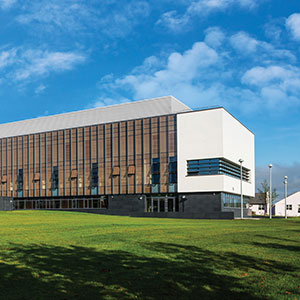
University of Galway has earned international recognition as a research-led university with a commitment to top quality teaching across a range of key areas of expertise.
-
Research & Innovation

Research & Innovation
University of Galway’s vibrant research community take on some of the most pressing challenges of our times.
-
Business & Industry
Guiding Breakthrough Research at University of Galway
We explore and facilitate commercial opportunities for the research community at University of Galway, as well as facilitating industry partnership.
-
Alumni & Friends

Alumni & Friends
There are 128,000 University of Galway alumni worldwide. Stay connected to your alumni community! Join our social networks and update your details online.
-
Community Engagement
Community Engagement
At University of Galway, we believe that the best learning takes place when you apply what you learn in a real world context. That's why many of our courses include work placements or community projects.
 Accessibility & Language
Biochemistry (Structured PhD)


Course Overview
All PhD students in the College of Science will enrol in a Structured PhD
Research activity within the discipline of biochemistry involves some sixty postgraduate students and thirty postdoctoral researchers from all over the world. Research is carried out in the following main areas:
Cell Stress and Cell Death
Researchers in this area examine what signals arise within the cell during stress and how different stresses can cause death in certain cell types, particularly in neurons and in heart muscle cells.
Chromosome Biology
The ten research groups comprising the Centre for Chromosome Biology are interested in understanding the molecular mechanisms underlying chromosome replication, segregation, repair, and transcription. These processes are fundamental to genetics and have important implications for and other diseases.
Developmental Biology
Particular interests lie in the control of gene expression during development using the zebrafish model. Other work looks at how blood cells develop from stem cells.
Molecular Biotechnology
Research in this area focuses on the industrial application of enzymes and other biomolecules from fungi.
Programmes Available
(Structured PhD) Biochemistry—4 years (full-time).
Applications are made online via the University of Galway Postgraduate Applications System.
Associated
Learning Outcomes
Entry Requirements
To be eligible to enter on a programme of study and research for the degree of PhD you must have reached a high honours standard at the examination for the primary degree or presented such evidence as will satisfy the Head of School and the College of your fitness.
Who’s Suited to This Course
Current research projects
See Biochemistry website.
Current funded research opportunity
PhD Walsh Scholarship—PhD in Bovine Genetics
PhD scholarship opportunity: application of next generation sequencing for the identification of DNA based biomarkers in regulatory regions of the genome for susceptibility to bovine respiratory disease complex. Closing date for applications: 18 May 2020. Click here for more information.
Work Placement
Related Student Organisations
Career Opportunities
Find a Supervisor / PhD Project
If you are still looking for a potential supervisor or PhD project or would like to identify the key research interests of our academic staff and researchers, you can use our online portal to help in that search
Course Outline
Curriculum Information
Curriculum information relates to the current academic year (in most cases).Course and module offerings and details may be subject to change.
Glossary of Terms
- Credits
- You must earn a defined number of credits (aka ECTS) to complete each year of your course. You do this by taking all of its required modules as well as the correct number of optional modules to obtain that year's total number of credits.
- Module
- An examinable portion of a subject or course, for which you attend lectures and/or tutorials and carry out assignments. E.g. Algebra and Calculus could be modules within the subject Mathematics. Each module has a unique module code eg. MA140.
- Subject
- Some courses allow you to choose subjects, where related modules are grouped together. Subjects have their own required number of credits, so you must take all that subject's required modules and may also need to obtain the remainder of the subject's total credits by choosing from its available optional modules.
- Optional
- A module you may choose to study.
- Required
- A module that you must study if you choose this course (or subject).
- Required Core Subject
- A subject you must study because it's integral to that course.
- Semester
- Most courses have 2 semesters (aka terms) per year, so a three-year course will have six semesters in total. For clarity, this page will refer to the first semester of year 2 as 'Semester 3'.
Year 1 (0 Credits)
OptionalGS520: BioInnovate I Core: Needs finding to concept generation - 10 Credits - Semester 1OptionalPH650: Physics - 0 Credits - Semester 1
OptionalBO650: Biostatistics - 0 Credits - Semester 1
OptionalMP651: Applied Mathematics - 0 Credits - Semester 1
OptionalRM075: Research Component - 75 Credits - Semester 1
OptionalRM080: Research Component - 80 Credits - Semester 1
OptionalRM085: Research Component - 85 Credits - Semester 1
OptionalRM090: Research Component - 90 Credits - Semester 1
OptionalZO509: Biometry - Statistics for Biologists - 5 Credits - Semester 1
OptionalPH502: Scientific Programming Concepts - 5 Credits - Semester 1
OptionalMD536: Advanced and Applied Immunology - 5 Credits - Semester 1
OptionalBI650: Biochemistry - 0 Credits - Semester 1
OptionalBT650: Botany - 0 Credits - Semester 1
OptionalBV650: Botany/Environmental Science - 0 Credits - Semester 1
OptionalCH650: Chemistry - 0 Credits - Semester 1
OptionalEOS650: Earth & Ocean Science - 0 Credits - Semester 1
OptionalEV650: Environmental Science - 0 Credits - Semester 1
OptionalGE650: Geology - 0 Credits - Semester 1
OptionalMA650: Mathematics - 0 Credits - Semester 1
OptionalMI650: Microbiology - 0 Credits - Semester 1
OptionalPA650: Pathology - Credits - Semester 1
OptionalPM650: Pharmacology - Credits - Semester 1
OptionalREM650: REMEDI - 0 Credits - Semester 1
OptionalSI650: Physiology - Credits - Semester 1
OptionalZO650: Zoology - 0 Credits - Semester 1
OptionalGS530: Graduate Research Information Skills - 5 Credits - Semester 1
OptionalRM055: Research Component - 55 Credits - Semester 1
OptionalRM060: Research Component - 60 Credits - Semester 1
OptionalRM065: Research Component - 65 Credits - Semester 1
OptionalRM070: Research Component - 70 Credits - Semester 1
OptionalMA530: Numerical Analysis I - 5 Credits - Semester 1
OptionalEOS5101: Advanced Topics in Earth and Ocean Sciences - 5 Credits - Semester 1
OptionalPM209: Applied Concepts in Pharmacology - 5 Credits - Semester 1
OptionalPM208: Fundamental Concepts in Pharmacology - 5 Credits - Semester 1
OptionalMG529: Introduction To Business - 10 Credits - Semester 1
OptionalPM5102: Experimental Methods in Pharmacology - 10 Credits - Semester 1
OptionalPM5108: Applied Toxicology - 5 Credits - Semester 1
OptionalEV507: Ecosystem Science - 5 Credits - Semester 1
OptionalEV508: Introduction to Flora & Fauna of Ireland - 5 Credits - Semester 1
OptionalEV514: Ecological Survey Techniques - 5 Credits - Semester 1
OptionalPM5101: Central Neurotransmission - 5 Credits - Semester 1
OptionalGS511: Research Placement 1 - 5 Credits - Semester 1
OptionalGS526: Oral/poster communications (year 1 - 3) - 5 Credits - Semester 1
OptionalGS513: Research Placement 2 - 10 Credits - Semester 1
OptionalGS514: Research Placement 3 - 15 Credits - Semester 1
OptionalGS515: Research Paper Publication - 5 Credits - Semester 1
OptionalGS501: Seminar Programme - 5 Credits - Semester 1
OptionalGS502: Journal Club Programme - 5 Credits - Semester 1
OptionalGS505: Graduate Research Skills - 5 Credits - Semester 1
OptionalGS508: Formulating a Research Project Proposal - 5 Credits - Semester 1
OptionalGS509: Participation in Workshops/Courses - 5 Credits - Semester 1
OptionalSNS650: School of Natural Sciences - 0 Credits - Semester 1
OptionalAN650: Anatomy - 0 Credits - Semester 1
OptionalMA651: Statistics - 0 Credits - Semester 1
OptionalMA850: Bioinformatics - 0 Credits - Semester 1
OptionalMA5109: Statistical/Bioinformatics computing - 5 Credits - Semester 1
OptionalMA5110: Statistical/Bioinformatics consulting - 5 Credits - Semester 1
OptionalPH5104: Medical Imaging - 10 Credits - Semester 1
OptionalBI460: Molecular and Cellular Biology of Cancer - 10 Credits - Semester 1
OptionalBI461: Clinical Oncology, Haematology - 5 Credits - Semester 1
OptionalPH5103: Radiation Fundamentals - 5 Credits - Semester 1
OptionalMA5115: Supporting Learning in Mathematics - 5 Credits - Semester 1
OptionalPH5116: Scalable Innovation - 5 Credits - Semester 1
OptionalEOS6102: Metals in the Environment, Speciation, Bioavailability, Remediation - 5 Credits - Semester 1
OptionalEOS610: Introduction to Data Analysis Tools for Earth and Ocean studies - 5 Credits - Semester 1
OptionalGS507: Statistical Methods for Research - 5 Credits - Semester 1
OptionalPH506: Principles of Optical Design & Image Formation - 5 Credits - Semester 1
OptionalEV6102: Environmental Leadership - 5 Credits - Semester 1
OptionalBSS2103: Introduction to Sustainability 1 - 5 Credits - Semester 1
OptionalCMB6150: Cellular & Molecular Biology - 0 Credits - Semester 1
OptionalBI5108: Green Lab Principles and Practice - 5 Credits - Semester 1
OptionalEAP5109: Academic English Writing Skills for Graduate Researchers - 5 Credits - Semester 1
OptionalHP1101: Knowledge Translation in Health and Social Care Research - 5 Credits - Semester 1
OptionalCH506: Core Skills for Chemistry Research - 5 Credits - Semester 1
OptionalCS3304: Logic - 5 Credits - Semester 1
OptionalMA416: Rings - 5 Credits - Semester 1
OptionalZO4102: Biostatistics for Natural Sciences - 5 Credits - Semester 1
OptionalPH6101: CDT Lifetime Rotational Training - 20 Credits - Semester 1
OptionalGS5113: Innovation Impact Accelerator - 5 Credits - Semester 1
OptionalPH2111: Makerspace Creative Technologies 1 - 5 Credits - Semester 1
OptionalPH5102: Clinical Instrumentation - 5 Credits - Semester 2
OptionalEOS5108: Operational Oceanography - 5 Credits - Semester 1
OptionalMP494: Partial Differential Equations - 5 Credits - Semester 1
OptionalHDS5104: Statistics for Health Data Science - 5 Credits - Semester 1
OptionalHDS5105: Statistical Computing for Biomedical Data - 5 Credits - Semester 1
OptionalST311: Applied Statistics I - 5 Credits - Semester 1
OptionalCS1101: Introduction to Programming - 5 Credits - Semester 1
OptionalBG5105: Diagnostic Biotechnology - 5 Credits - Semester 2
OptionalMI5106: Environmental Resilience - 5 Credits - Semester 2
OptionalBG5104: Protein Technology - 5 Credits - Semester 2
OptionalPH5105: Physics of Radiotherapy - 10 Credits - Semester 2
OptionalPM5114: Screening Molecular Libraries - 5 Credits - Semester 2
OptionalGS522: BioInnovate II Core: Concept Development and Implementation - 10 Credits - Semester 2
OptionalSC500: Science Communications and Outreach - 5 Credits - Semester 2
OptionalCH503: Masterclass in Carbohydrate Chemistry - 5 Credits - Semester 2
OptionalBI504: Advanced Molecular Cell Biology - 5 Credits - Semester 2
OptionalPH504: High Performance Computing and Parallel Programming - 5 Credits - Semester 2
OptionalMA523: Advanced course in Mathematical Sciences - 5 Credits - Semester 2
OptionalCH507: Combustion Chemistry and Kinetics - 5 Credits - Semester 2
OptionalGS506: Teaching & Learning - 5 Credits - Semester 2
OptionalCH509: Problem Solving in Chemistry - 5 Credits - Semester 2
OptionalCH510: Process Development and Scale-Up in the Pharmaceutical Industry - 5 Credits - Semester 2
OptionalPH508: Biophotonics and Imaging Graduate Summer School (BIGSS) - 5 Credits - Semester 2
OptionalREM508: Graduate Course in Basic and Advanced Immunology - 5 Credits - Semester 2
OptionalPM5103: Experimental Neuropharmacology - 15 Credits - Semester 2
OptionalPM5105: Neuropharmacology & Therapeutics - 5 Credits - Semester 2
OptionalPM5111: Advanced Toxicology - 5 Credits - Semester 2
OptionalMI5103: Advanced Industrial Processes - 5 Credits - Semester 2
OptionalEV515: Biodiversity Legislation & Policy - 5 Credits - Semester 2
OptionalEV527: Habitat Identification & Assessment - 5 Credits - Semester 2
OptionalEV528: Habitat Creation, Management and Restoration - 5 Credits - Semester 2
OptionalBPS5111: CCAFS Case Studies, Journal Club and Datasets - 5 Credits - Semester 2
OptionalAN5101: Histology 1: Fundamental Tissues (Semester 2) - 5 Credits - Semester 2
OptionalGS5103: Conference Organisation - 5 Credits - Semester 2
OptionalPH423: Applied Optics and Imaging - 5 Credits - Semester 1
OptionalAN507: Stereology - 5 Credits - Semester 2
OptionalPH5115: Laser-enabled bioprinting - 5 Credits - Semester 2
OptionalPH425: Lasers and Spectroscopy - 5 Credits - Semester 2
OptionalCT5100: Data Visualisation - 5 Credits - Semester 2
OptionalPO5101: Management of Diabetic Foot Disease - 10 Credits - Semester 2
OptionalST1112: Statistical Methods - 5 Credits - Semester 2
OptionalPAB5127: Geospatial Analysis and Remote Sensing - 5 Credits - Semester 2
OptionalPAB5128: Data Analysis for Sustainability Research - 5 Credits - Semester 2
OptionalMD1901: Cultural Awareness in Health and Social Care Research - 5 Credits - Semester 2
OptionalST4140: Modern Statistical Methods - 5 Credits - Semester 2
OptionalMA3491: Fields and Applications - 5 Credits - Semester 2
OptionalCT5135: Research Topics in AI - 5 Credits - Semester 2
OptionalCT5103: Case Studies in Data Analytics - 5 Credits - Semester 2
OptionalPH5127: Modern observational facilities - 5 Credits - Semester 2
OptionalPH2112: Makerspace Creative Technologies 2 - 5 Credits - Semester 2
OptionalBI5109: Introduction to Molecular and Cellular Biology (semester 2) - 5 Credits - Semester 2
OptionalUL_PH6022: Technical Writing - 5 Credits - Semester 2
OptionalPH2108: Scaling Big Ideas - 5 Credits - Semester 2
OptionalMA3103: Introduction to Bioinformatics - 5 Credits - Semester 2
OptionalMA5122: Pathogen Genomic Epidemiology and Surveillance - 5 Credits - Semester 2
OptionalMA5121: Genomics at Scale - 5 Credits - Semester 2
Year 2 (90 Credits)
OptionalBI5104: Advanced Technologies in Cellular and Molecular Biology II - 5 Credits - Semester 3OptionalBI5103: Advanced Technologies in Cellular and Molecular Biology I - 5 Credits - Semester 3
OptionalPAB5117: Understanding Ireland’s Agriculture & AgriFood Sector - 5 Credits - Semester 3
OptionalPAB5116: Understanding AgriBusiness & AgriFood Market Trends - 5 Credits - Semester 3
OptionalGS5108: Work Based Placement 2 - 10 Credits - Semester 3
OptionalGS5107: Work Based Placement 1 - 5 Credits - Semester 3
OptionalMA5109: Statistical/Bioinformatics computing - 5 Credits - Semester 3
OptionalAN650: Anatomy - 0 Credits - Semester 3
OptionalMA651: Statistics - 0 Credits - Semester 3
OptionalMA850: Bioinformatics - 0 Credits - Semester 3
OptionalPH650: Physics - 0 Credits - Semester 3
OptionalBO650: Biostatistics - 0 Credits - Semester 3
OptionalMP651: Applied Mathematics - 0 Credits - Semester 3
OptionalRM075: Research Component - 75 Credits - Semester 3
OptionalRM080: Research Component - 80 Credits - Semester 3
OptionalRM085: Research Component - 85 Credits - Semester 3
OptionalRM090: Research Component - 90 Credits - Semester 3
OptionalZO509: Biometry - Statistics for Biologists - 5 Credits - Semester 3
OptionalPH502: Scientific Programming Concepts - 5 Credits - Semester 3
OptionalMR650: Marine Science - 0 Credits - Semester 3
OptionalSPA459: Research Ethics - 5 Credits - Semester 3
OptionalMD536: Advanced and Applied Immunology - 5 Credits - Semester 3
OptionalBI650: Biochemistry - 0 Credits - Semester 3
OptionalBT650: Botany - 0 Credits - Semester 3
OptionalBV650: Botany/Environmental Science - 0 Credits - Semester 3
OptionalCH650: Chemistry - 0 Credits - Semester 3
OptionalEOS650: Earth & Ocean Science - 0 Credits - Semester 3
OptionalEV650: Environmental Science - 0 Credits - Semester 3
OptionalGE650: Geology - 0 Credits - Semester 3
OptionalMA650: Mathematics - 0 Credits - Semester 3
OptionalMI650: Microbiology - 0 Credits - Semester 3
OptionalPA650: Pathology - Credits - Semester 3
OptionalPM650: Pharmacology - Credits - Semester 3
OptionalREM650: REMEDI - 0 Credits - Semester 3
OptionalSI650: Physiology - Credits - Semester 3
OptionalZO650: Zoology - 0 Credits - Semester 3
OptionalGS530: Graduate Research Information Skills - 5 Credits - Semester 3
OptionalRM055: Research Component - 55 Credits - Semester 3
OptionalRM060: Research Component - 60 Credits - Semester 3
OptionalRM065: Research Component - 65 Credits - Semester 3
OptionalRM070: Research Component - 70 Credits - Semester 3
OptionalMA530: Numerical Analysis I - 5 Credits - Semester 3
OptionalGS520: BioInnovate I Core: Needs finding to concept generation - 10 Credits - Semester 3
OptionalEOS5101: Advanced Topics in Earth and Ocean Sciences - 5 Credits - Semester 3
OptionalPM209: Applied Concepts in Pharmacology - 5 Credits - Semester 3
OptionalPM208: Fundamental Concepts in Pharmacology - 5 Credits - Semester 3
OptionalMG529: Introduction To Business - 10 Credits - Semester 3
OptionalBG5107: Quality Management Systems for Biotechnology - 5 Credits - Semester 3
OptionalPM5102: Experimental Methods in Pharmacology - 10 Credits - Semester 3
OptionalPM5108: Applied Toxicology - 5 Credits - Semester 3
OptionalEV507: Ecosystem Science - 5 Credits - Semester 3
OptionalEV508: Introduction to Flora & Fauna of Ireland - 5 Credits - Semester 3
OptionalEV514: Ecological Survey Techniques - 5 Credits - Semester 3
OptionalPM5101: Central Neurotransmission - 5 Credits - Semester 3
OptionalGS526: Oral/poster communications (year 1 - 3) - 5 Credits - Semester 3
OptionalGS513: Research Placement 2 - 10 Credits - Semester 3
OptionalGS514: Research Placement 3 - 15 Credits - Semester 3
OptionalGS515: Research Paper Publication - 5 Credits - Semester 3
OptionalGS508: Formulating a Research Project Proposal - 5 Credits - Semester 3
OptionalGS509: Participation in Workshops/Courses - 5 Credits - Semester 3
OptionalGS501: Seminar Programme - 5 Credits - Semester 3
OptionalGS502: Journal Club Programme - 5 Credits - Semester 3
OptionalGS505: Graduate Research Skills - 5 Credits - Semester 3
OptionalGS536: Communication & Outreach - 5 Credits - Semester 3
OptionalGS525: Laboratory Animal Science Training (LAST) Ireland course - 5 Credits - Semester 3
OptionalGS511: Research Placement 1 - 5 Credits - Semester 3
OptionalSNS650: School of Natural Sciences - 0 Credits - Semester 3
OptionalMA5110: Statistical/Bioinformatics consulting - 5 Credits - Semester 3
OptionalGS5104: Intensive Writing Workshop - 5 Credits - Semester 3
OptionalGS5109: Work Based Placement 3 - 15 Credits - Semester 3
OptionalPAB5115: AgriFood Sustainability & Agri-Resilience Challenges - 5 Credits - Semester 3
OptionalPAB5114: AgriFood Career, Communication & Impact Pathway Skills - 5 Credits - Semester 3
OptionalPAB6150: Plant and AgriBiosciences - 0 Credits - Semester 3
OptionalCMB6150: Cellular & Molecular Biology - 0 Credits - Semester 3
OptionalBI5105: Current Topics in Cellular and Molecular Biology - 5 Credits - Semester 3
OptionalGS532: Introduction to Psychopharmacology (BAP) - 5 Credits - Semester 3
OptionalBME6101: Computational Methods in Engineering Analysis - 10 Credits - Semester 3
OptionalBME402: Computational Methods in Engineering Analysis - 10 Credits - Semester 3
OptionalBI460: Molecular and Cellular Biology of Cancer - 10 Credits - Semester 3
OptionalBI461: Clinical Oncology, Haematology - 5 Credits - Semester 3
OptionalPH5103: Radiation Fundamentals - 5 Credits - Semester 3
OptionalPH5104: Medical Imaging - 10 Credits - Semester 3
OptionalMA5115: Supporting Learning in Mathematics - 5 Credits - Semester 3
OptionalPH5116: Scalable Innovation - 5 Credits - Semester 3
OptionalMA5116: Introductory Probability for Genomics - 5 Credits - Semester 3
OptionalEOS6102: Metals in the Environment, Speciation, Bioavailability, Remediation - 5 Credits - Semester 3
OptionalEOS610: Introduction to Data Analysis Tools for Earth and Ocean studies - 5 Credits - Semester 3
OptionalPS6130: Clinical and Experimental Cognitive Neuroscience - 5 Credits - Semester 3
OptionalMD8000: Fundamentals of Medical Device Design and Regulation - 5 Credits - Semester 3
OptionalMA652: Genomics Data Science - Credits - Semester 3
OptionalGS507: Statistical Methods for Research - 5 Credits - Semester 3
OptionalMA5108: Statistical Computing with R - 5 Credits - Semester 3
OptionalTI2102: Introduction To GIS - 10 Credits - Semester 3
OptionalBME500: Advanced Biomaterials - 5 Credits - Semester 3
OptionalCE6106: Hydrological Modelling - 5 Credits - Semester 3
OptionalMA532: Groups I - 5 Credits - Semester 3
OptionalBES519: Scientific Writing - 5 Credits - Semester 3
OptionalPH506: Principles of Optical Design & Image Formation - 5 Credits - Semester 3
OptionalST417: Introduction to Bayesian Modelling - 5 Credits - Semester 3
OptionalCS424: Object Oriented Programming/Internet Programming - 5 Credits - Semester 3
OptionalEV6102: Environmental Leadership - 5 Credits - Semester 3
OptionalBSS2103: Introduction to Sustainability 1 - 5 Credits - Semester 3
OptionalMA490: Measure Theory - 5 Credits - Semester 3
OptionalMA437: Introduction to Mathematical Research Topics I - 5 Credits - Semester 3
OptionalMA5106: Medical Genomics 1 - 5 Credits - Semester 3
OptionalCS4102: Geometric Foundations of Data Analysis I - 5 Credits - Semester 3
OptionalBI5108: Green Lab Principles and Practice - 5 Credits - Semester 3
OptionalEAP5109: Academic English Writing Skills for Graduate Researchers - 5 Credits - Semester 3
OptionalHP1101: Knowledge Translation in Health and Social Care Research - 5 Credits - Semester 3
OptionalBME5100: Advanced Computational Biomechanics - 5 Credits - Semester 3
OptionalPO1100: Public and Patient Involvement in Research - 5 Credits - Semester 3
OptionalPH5126: Advanced Astronomical and Space Instrumentation - 10 Credits - Semester 3
OptionalMD1902: Cultural Awareness in Research Planning and Processes - 5 Credits - Semester 3
OptionalCH506: Core Skills for Chemistry Research - 5 Credits - Semester 3
OptionalMA5111: Genomics Data Analysis I - 5 Credits - Semester 3
OptionalCT5161: Introduction to Programming in Python - 5 Credits - Semester 3
OptionalZO4102: Biostatistics for Natural Sciences - 5 Credits - Semester 3
OptionalPH6101: CDT Lifetime Rotational Training - 20 Credits - Semester 3
OptionalGS5113: Innovation Impact Accelerator - 5 Credits - Semester 3
OptionalPH2111: Makerspace Creative Technologies 1 - 5 Credits - Semester 3
OptionalPH5102: Clinical Instrumentation - 5 Credits - Semester 4
OptionalUCD_FDSC40430: Leadership Skills for the Agri-Food Sector - Credits - Semester 3
OptionalMP494: Partial Differential Equations - 5 Credits - Semester 3
OptionalEC584: Economic Evaluation in Health Care - 10 Credits - Semester 3
OptionalCS1101: Introduction to Programming - 5 Credits - Semester 3
OptionalBG5105: Diagnostic Biotechnology - 5 Credits - Semester 4
OptionalMI5106: Environmental Resilience - 5 Credits - Semester 4
OptionalBG5104: Protein Technology - 5 Credits - Semester 4
OptionalPH5105: Physics of Radiotherapy - 10 Credits - Semester 4
OptionalPM5114: Screening Molecular Libraries - 5 Credits - Semester 4
OptionalPM533: Formulating a Research Proposal in the Biomedical Sciences - 5 Credits - Semester 4
OptionalSC500: Science Communications and Outreach - 5 Credits - Semester 4
OptionalCH503: Masterclass in Carbohydrate Chemistry - 5 Credits - Semester 4
OptionalBI504: Advanced Molecular Cell Biology - 5 Credits - Semester 4
OptionalPH504: High Performance Computing and Parallel Programming - 5 Credits - Semester 4
OptionalMA216: Mathematical Molecular Biology II - 5 Credits - Semester 4
OptionalMA523: Advanced course in Mathematical Sciences - 5 Credits - Semester 4
OptionalCH507: Combustion Chemistry and Kinetics - 5 Credits - Semester 4
OptionalGS506: Teaching & Learning - 5 Credits - Semester 4
OptionalCH509: Problem Solving in Chemistry - 5 Credits - Semester 4
OptionalCH510: Process Development and Scale-Up in the Pharmaceutical Industry - 5 Credits - Semester 4
OptionalPH508: Biophotonics and Imaging Graduate Summer School (BIGSS) - 5 Credits - Semester 4
OptionalGS522: BioInnovate II Core: Concept Development and Implementation - 10 Credits - Semester 4
OptionalREM508: Graduate Course in Basic and Advanced Immunology - 5 Credits - Semester 4
OptionalPM5103: Experimental Neuropharmacology - 15 Credits - Semester 4
OptionalPM5105: Neuropharmacology & Therapeutics - 5 Credits - Semester 4
OptionalPM5111: Advanced Toxicology - 5 Credits - Semester 4
OptionalMI5103: Advanced Industrial Processes - 5 Credits - Semester 4
OptionalEV515: Biodiversity Legislation & Policy - 5 Credits - Semester 4
OptionalEV527: Habitat Identification & Assessment - 5 Credits - Semester 4
OptionalEV528: Habitat Creation, Management and Restoration - 5 Credits - Semester 4
OptionalBPS5111: CCAFS Case Studies, Journal Club and Datasets - 5 Credits - Semester 4
OptionalAN5101: Histology 1: Fundamental Tissues (Semester 2) - 5 Credits - Semester 4
OptionalGS5103: Conference Organisation - 5 Credits - Semester 4
OptionalPH423: Applied Optics and Imaging - 5 Credits - Semester 3
OptionalAN507: Stereology - 5 Credits - Semester 4
OptionalPH5115: Laser-enabled bioprinting - 5 Credits - Semester 4
OptionalMA5117: Genomics Research Methods - 5 Credits - Semester 4
OptionalMA5118: Advanced Chemoinformatics - 5 Credits - Semester 4
OptionalPH425: Lasers and Spectroscopy - 5 Credits - Semester 4
OptionalTI311: Advanced Gis - 5 Credits - Semester 4
OptionalCS4423: Networks - 5 Credits - Semester 4
OptionalCT5100: Data Visualisation - 5 Credits - Semester 4
OptionalPO5101: Management of Diabetic Foot Disease - 10 Credits - Semester 4
OptionalST1112: Statistical Methods - 5 Credits - Semester 4
OptionalCS4103: Geometric Foundations of Data Analysis II - 5 Credits - Semester 4
OptionalCS402: Cryptography - 5 Credits - Semester 4
OptionalMA482: Functional Analysis - 5 Credits - Semester 4
OptionalMA4344: Advanced Group Theory - 5 Credits - Semester 4
OptionalMA438: Introduction to Mathematical Research Topics II - 5 Credits - Semester 4
OptionalMA5112: Genomics Data Analysis II - 5 Credits - Semester 4
OptionalPAB5127: Geospatial Analysis and Remote Sensing - 5 Credits - Semester 4
OptionalPAB5128: Data Analysis for Sustainability Research - 5 Credits - Semester 4
OptionalST4140: Modern Statistical Methods - 5 Credits - Semester 4
OptionalGS5112: Idea to Impact Bootcamp - Design Thinking Training Programme - 5 Credits - Semester 4
OptionalCT5135: Research Topics in AI - 5 Credits - Semester 4
OptionalCT5103: Case Studies in Data Analytics - 5 Credits - Semester 4
OptionalPH5127: Modern observational facilities - 5 Credits - Semester 4
OptionalPH2112: Makerspace Creative Technologies 2 - 5 Credits - Semester 4
OptionalBI5109: Introduction to Molecular and Cellular Biology (semester 2) - 5 Credits - Semester 4
OptionalUL_PH6022: Technical Writing - 5 Credits - Semester 4
OptionalPH2108: Scaling Big Ideas - 5 Credits - Semester 4
OptionalMA3103: Introduction to Bioinformatics - 5 Credits - Semester 4
OptionalMA5122: Pathogen Genomic Epidemiology and Surveillance - 5 Credits - Semester 4
OptionalEC579: App. Health Tech. Assessment & Decision Modelling - 10 Credits - Semester 4
Year 3 (90 Credits)
OptionalPAB5117: Understanding Ireland’s Agriculture & AgriFood Sector - 5 Credits - Semester 5OptionalPAB5116: Understanding AgriBusiness & AgriFood Market Trends - 5 Credits - Semester 5
OptionalPAB5115: AgriFood Sustainability & Agri-Resilience Challenges - 5 Credits - Semester 5
OptionalPAB5114: AgriFood Career, Communication & Impact Pathway Skills - 5 Credits - Semester 5
OptionalBI5104: Advanced Technologies in Cellular and Molecular Biology II - 5 Credits - Semester 5
OptionalBI5103: Advanced Technologies in Cellular and Molecular Biology I - 5 Credits - Semester 5
OptionalGS5108: Work Based Placement 2 - 10 Credits - Semester 5
OptionalGS5107: Work Based Placement 1 - 5 Credits - Semester 5
OptionalMA5109: Statistical/Bioinformatics computing - 5 Credits - Semester 5
OptionalPM208: Fundamental Concepts in Pharmacology - 5 Credits - Semester 5
OptionalMG529: Introduction To Business - 10 Credits - Semester 5
OptionalBG5107: Quality Management Systems for Biotechnology - 5 Credits - Semester 5
OptionalPM5102: Experimental Methods in Pharmacology - 10 Credits - Semester 5
OptionalRM065: Research Component - 65 Credits - Semester 5
OptionalRM060: Research Component - 60 Credits - Semester 5
OptionalRM070: Research Component - 70 Credits - Semester 5
OptionalMA530: Numerical Analysis I - 5 Credits - Semester 5
OptionalGS520: BioInnovate I Core: Needs finding to concept generation - 10 Credits - Semester 5
OptionalAN650: Anatomy - 0 Credits - Semester 5
OptionalMA651: Statistics - 0 Credits - Semester 5
OptionalMA850: Bioinformatics - 0 Credits - Semester 5
OptionalPH650: Physics - 0 Credits - Semester 5
OptionalBO650: Biostatistics - 0 Credits - Semester 5
OptionalMP651: Applied Mathematics - 0 Credits - Semester 5
OptionalRM075: Research Component - 75 Credits - Semester 5
OptionalRM080: Research Component - 80 Credits - Semester 5
OptionalRM085: Research Component - 85 Credits - Semester 5
OptionalRM090: Research Component - 90 Credits - Semester 5
OptionalZO509: Biometry - Statistics for Biologists - 5 Credits - Semester 5
OptionalPH502: Scientific Programming Concepts - 5 Credits - Semester 5
OptionalMD536: Advanced and Applied Immunology - 5 Credits - Semester 5
OptionalBI650: Biochemistry - 0 Credits - Semester 5
OptionalBT650: Botany - 0 Credits - Semester 5
OptionalBV650: Botany/Environmental Science - 0 Credits - Semester 5
OptionalCH650: Chemistry - 0 Credits - Semester 5
OptionalEOS650: Earth & Ocean Science - 0 Credits - Semester 5
OptionalEV650: Environmental Science - 0 Credits - Semester 5
OptionalGE650: Geology - 0 Credits - Semester 5
OptionalMA650: Mathematics - 0 Credits - Semester 5
OptionalMI650: Microbiology - 0 Credits - Semester 5
OptionalPA650: Pathology - Credits - Semester 5
OptionalPM650: Pharmacology - Credits - Semester 5
OptionalREM650: REMEDI - 0 Credits - Semester 5
OptionalSI650: Physiology - Credits - Semester 5
OptionalZO650: Zoology - 0 Credits - Semester 5
OptionalGS530: Graduate Research Information Skills - 5 Credits - Semester 5
OptionalRM055: Research Component - 55 Credits - Semester 5
OptionalCH501: Chemistry - Credits - Semester 5
OptionalMR650: Marine Science - 0 Credits - Semester 5
OptionalEOS5101: Advanced Topics in Earth and Ocean Sciences - 5 Credits - Semester 5
OptionalPM209: Applied Concepts in Pharmacology - 5 Credits - Semester 5
OptionalPM5108: Applied Toxicology - 5 Credits - Semester 5
OptionalEV507: Ecosystem Science - 5 Credits - Semester 5
OptionalEV508: Introduction to Flora & Fauna of Ireland - 5 Credits - Semester 5
OptionalEV514: Ecological Survey Techniques - 5 Credits - Semester 5
OptionalPM5101: Central Neurotransmission - 5 Credits - Semester 5
OptionalGS536: Communication & Outreach - 5 Credits - Semester 5
OptionalGS525: Laboratory Animal Science Training (LAST) Ireland course - 5 Credits - Semester 5
OptionalGS511: Research Placement 1 - 5 Credits - Semester 5
OptionalGS526: Oral/poster communications (year 1 - 3) - 5 Credits - Semester 5
OptionalGS513: Research Placement 2 - 10 Credits - Semester 5
OptionalGS514: Research Placement 3 - 15 Credits - Semester 5
OptionalGS515: Research Paper Publication - 5 Credits - Semester 5
OptionalGS501: Seminar Programme - 5 Credits - Semester 5
OptionalGS502: Journal Club Programme - 5 Credits - Semester 5
OptionalGS505: Graduate Research Skills - 5 Credits - Semester 5
OptionalGS508: Formulating a Research Project Proposal - 5 Credits - Semester 5
OptionalGS509: Participation in Workshops/Courses - 5 Credits - Semester 5
OptionalSNS650: School of Natural Sciences - 0 Credits - Semester 5
OptionalMA5110: Statistical/Bioinformatics consulting - 5 Credits - Semester 5
OptionalGS5104: Intensive Writing Workshop - 5 Credits - Semester 5
OptionalGS5109: Work Based Placement 3 - 15 Credits - Semester 5
OptionalBI5105: Current Topics in Cellular and Molecular Biology - 5 Credits - Semester 5
OptionalCMB6150: Cellular & Molecular Biology - 0 Credits - Semester 5
OptionalPAB6150: Plant and AgriBiosciences - 0 Credits - Semester 5
OptionalGS532: Introduction to Psychopharmacology (BAP) - 5 Credits - Semester 5
OptionalBME402: Computational Methods in Engineering Analysis - 10 Credits - Semester 5
OptionalBME6101: Computational Methods in Engineering Analysis - 10 Credits - Semester 5
OptionalBI460: Molecular and Cellular Biology of Cancer - 10 Credits - Semester 5
OptionalBI461: Clinical Oncology, Haematology - 5 Credits - Semester 5
OptionalPH5103: Radiation Fundamentals - 5 Credits - Semester 5
OptionalPH5104: Medical Imaging - 10 Credits - Semester 5
OptionalMA5115: Supporting Learning in Mathematics - 5 Credits - Semester 5
OptionalPH5116: Scalable Innovation - 5 Credits - Semester 5
OptionalEOS610: Introduction to Data Analysis Tools for Earth and Ocean studies - 5 Credits - Semester 5
OptionalEOS6102: Metals in the Environment, Speciation, Bioavailability, Remediation - 5 Credits - Semester 5
OptionalPS6130: Clinical and Experimental Cognitive Neuroscience - 5 Credits - Semester 5
OptionalMD8000: Fundamentals of Medical Device Design and Regulation - 5 Credits - Semester 5
OptionalMA652: Genomics Data Science - Credits - Semester 5
OptionalGS507: Statistical Methods for Research - 5 Credits - Semester 5
OptionalST313: Applied Regression Models - 5 Credits - Semester 5
OptionalTI2102: Introduction To GIS - 10 Credits - Semester 5
OptionalMA532: Groups I - 5 Credits - Semester 5
OptionalCE6106: Hydrological Modelling - 5 Credits - Semester 5
OptionalBES519: Scientific Writing - 5 Credits - Semester 5
OptionalPH506: Principles of Optical Design & Image Formation - 5 Credits - Semester 5
OptionalST417: Introduction to Bayesian Modelling - 5 Credits - Semester 5
OptionalMA437: Introduction to Mathematical Research Topics I - 5 Credits - Semester 5
OptionalCS424: Object Oriented Programming/Internet Programming - 5 Credits - Semester 5
OptionalEV6102: Environmental Leadership - 5 Credits - Semester 5
OptionalBSS2103: Introduction to Sustainability 1 - 5 Credits - Semester 5
OptionalMA490: Measure Theory - 5 Credits - Semester 5
OptionalMA5106: Medical Genomics 1 - 5 Credits - Semester 5
OptionalCS4102: Geometric Foundations of Data Analysis I - 5 Credits - Semester 5
OptionalBI5108: Green Lab Principles and Practice - 5 Credits - Semester 5
OptionalEAP5109: Academic English Writing Skills for Graduate Researchers - 5 Credits - Semester 5
OptionalHP1101: Knowledge Translation in Health and Social Care Research - 5 Credits - Semester 5
OptionalBME5100: Advanced Computational Biomechanics - 5 Credits - Semester 5
OptionalPO1100: Public and Patient Involvement in Research - 5 Credits - Semester 5
OptionalMD1902: Cultural Awareness in Research Planning and Processes - 5 Credits - Semester 5
OptionalCH506: Core Skills for Chemistry Research - 5 Credits - Semester 5
OptionalZO4102: Biostatistics for Natural Sciences - 5 Credits - Semester 5
OptionalPH6101: CDT Lifetime Rotational Training - 20 Credits - Semester 5
OptionalGS5113: Innovation Impact Accelerator - 5 Credits - Semester 5
OptionalPH2111: Makerspace Creative Technologies 1 - 5 Credits - Semester 5
OptionalPH5102: Clinical Instrumentation - 5 Credits - Semester 6
OptionalUCD_FDSC40430: Leadership Skills for the Agri-Food Sector - Credits - Semester 5
OptionalMP494: Partial Differential Equations - 5 Credits - Semester 5
OptionalMA5111: Genomics Data Analysis I - 5 Credits - Semester 5
OptionalCS1101: Introduction to Programming - 5 Credits - Semester 5
OptionalBG5105: Diagnostic Biotechnology - 5 Credits - Semester 6
OptionalMI5106: Environmental Resilience - 5 Credits - Semester 6
OptionalBG5104: Protein Technology - 5 Credits - Semester 6
OptionalPH5105: Physics of Radiotherapy - 10 Credits - Semester 6
OptionalPM5114: Screening Molecular Libraries - 5 Credits - Semester 6
OptionalPM533: Formulating a Research Proposal in the Biomedical Sciences - 5 Credits - Semester 6
OptionalCH509: Problem Solving in Chemistry - 5 Credits - Semester 6
OptionalCH510: Process Development and Scale-Up in the Pharmaceutical Industry - 5 Credits - Semester 6
OptionalPH508: Biophotonics and Imaging Graduate Summer School (BIGSS) - 5 Credits - Semester 6
OptionalGS522: BioInnovate II Core: Concept Development and Implementation - 10 Credits - Semester 6
OptionalSC500: Science Communications and Outreach - 5 Credits - Semester 6
OptionalCH503: Masterclass in Carbohydrate Chemistry - 5 Credits - Semester 6
OptionalBI504: Advanced Molecular Cell Biology - 5 Credits - Semester 6
OptionalPH504: High Performance Computing and Parallel Programming - 5 Credits - Semester 6
OptionalMA523: Advanced course in Mathematical Sciences - 5 Credits - Semester 6
OptionalCH507: Combustion Chemistry and Kinetics - 5 Credits - Semester 6
OptionalGS506: Teaching & Learning - 5 Credits - Semester 6
OptionalMA216: Mathematical Molecular Biology II - 5 Credits - Semester 6
OptionalREM508: Graduate Course in Basic and Advanced Immunology - 5 Credits - Semester 6
OptionalPM5103: Experimental Neuropharmacology - 15 Credits - Semester 6
OptionalPM5105: Neuropharmacology & Therapeutics - 5 Credits - Semester 6
OptionalPM5111: Advanced Toxicology - 5 Credits - Semester 6
OptionalMI5103: Advanced Industrial Processes - 5 Credits - Semester 6
OptionalEV515: Biodiversity Legislation & Policy - 5 Credits - Semester 6
OptionalEV527: Habitat Identification & Assessment - 5 Credits - Semester 6
OptionalEV528: Habitat Creation, Management and Restoration - 5 Credits - Semester 6
OptionalBPS5111: CCAFS Case Studies, Journal Club and Datasets - 5 Credits - Semester 6
OptionalAN5101: Histology 1: Fundamental Tissues (Semester 2) - 5 Credits - Semester 6
OptionalGS5103: Conference Organisation - 5 Credits - Semester 6
OptionalPH423: Applied Optics and Imaging - 5 Credits - Semester 5
OptionalAN507: Stereology - 5 Credits - Semester 6
OptionalPH5115: Laser-enabled bioprinting - 5 Credits - Semester 6
OptionalPH425: Lasers and Spectroscopy - 5 Credits - Semester 6
OptionalTI311: Advanced Gis - 5 Credits - Semester 6
OptionalCT5100: Data Visualisation - 5 Credits - Semester 6
OptionalMA438: Introduction to Mathematical Research Topics II - 5 Credits - Semester 6
OptionalPO5101: Management of Diabetic Foot Disease - 10 Credits - Semester 6
OptionalST1112: Statistical Methods - 5 Credits - Semester 6
OptionalCS4103: Geometric Foundations of Data Analysis II - 5 Credits - Semester 6
OptionalCS4423: Networks - 5 Credits - Semester 6
OptionalCS402: Cryptography - 5 Credits - Semester 6
OptionalMA482: Functional Analysis - 5 Credits - Semester 6
OptionalMA4344: Advanced Group Theory - 5 Credits - Semester 6
OptionalMA5112: Genomics Data Analysis II - 5 Credits - Semester 6
OptionalPAB5127: Geospatial Analysis and Remote Sensing - 5 Credits - Semester 6
OptionalPAB5128: Data Analysis for Sustainability Research - 5 Credits - Semester 6
OptionalST4140: Modern Statistical Methods - 5 Credits - Semester 6
OptionalGS5112: Idea to Impact Bootcamp - Design Thinking Training Programme - 5 Credits - Semester 6
OptionalCT5135: Research Topics in AI - 5 Credits - Semester 6
OptionalCT5103: Case Studies in Data Analytics - 5 Credits - Semester 6
OptionalPH5127: Modern observational facilities - 5 Credits - Semester 6
OptionalPH2112: Makerspace Creative Technologies 2 - 5 Credits - Semester 6
OptionalBI5109: Introduction to Molecular and Cellular Biology (semester 2) - 5 Credits - Semester 6
OptionalUL_PH6022: Technical Writing - 5 Credits - Semester 6
OptionalPH2108: Scaling Big Ideas - 5 Credits - Semester 6
OptionalMA5122: Pathogen Genomic Epidemiology and Surveillance - 5 Credits - Semester 6
Year 4 (90 Credits)
OptionalBI5104: Advanced Technologies in Cellular and Molecular Biology II - 5 Credits - Semester 7OptionalBI5103: Advanced Technologies in Cellular and Molecular Biology I - 5 Credits - Semester 7
OptionalPAB5117: Understanding Ireland’s Agriculture & AgriFood Sector - 5 Credits - Semester 7
OptionalPAB5116: Understanding AgriBusiness & AgriFood Market Trends - 5 Credits - Semester 7
OptionalPAB5115: AgriFood Sustainability & Agri-Resilience Challenges - 5 Credits - Semester 7
OptionalPAB5114: AgriFood Career, Communication & Impact Pathway Skills - 5 Credits - Semester 7
OptionalGS5108: Work Based Placement 2 - 10 Credits - Semester 7
OptionalGS5107: Work Based Placement 1 - 5 Credits - Semester 7
OptionalMA5109: Statistical/Bioinformatics computing - 5 Credits - Semester 7
OptionalZO650: Zoology - 0 Credits - Semester 7
OptionalGS530: Graduate Research Information Skills - 5 Credits - Semester 7
OptionalRM055: Research Component - 55 Credits - Semester 7
OptionalRM060: Research Component - 60 Credits - Semester 7
OptionalRM065: Research Component - 65 Credits - Semester 7
OptionalRM070: Research Component - 70 Credits - Semester 7
OptionalMA530: Numerical Analysis I - 5 Credits - Semester 7
OptionalGS520: BioInnovate I Core: Needs finding to concept generation - 10 Credits - Semester 7
OptionalAN650: Anatomy - 0 Credits - Semester 7
OptionalMA651: Statistics - 0 Credits - Semester 7
OptionalMA850: Bioinformatics - 0 Credits - Semester 7
OptionalPH650: Physics - 0 Credits - Semester 7
OptionalBO650: Biostatistics - 0 Credits - Semester 7
OptionalMP651: Applied Mathematics - 0 Credits - Semester 7
OptionalRM075: Research Component - 75 Credits - Semester 7
OptionalRM080: Research Component - 80 Credits - Semester 7
OptionalRM085: Research Component - 85 Credits - Semester 7
OptionalRM090: Research Component - 90 Credits - Semester 7
OptionalZO509: Biometry - Statistics for Biologists - 5 Credits - Semester 7
OptionalPH502: Scientific Programming Concepts - 5 Credits - Semester 7
OptionalMD536: Advanced and Applied Immunology - 5 Credits - Semester 7
OptionalBI650: Biochemistry - 0 Credits - Semester 7
OptionalBT650: Botany - 0 Credits - Semester 7
OptionalBV650: Botany/Environmental Science - 0 Credits - Semester 7
OptionalCH650: Chemistry - 0 Credits - Semester 7
OptionalEOS650: Earth & Ocean Science - 0 Credits - Semester 7
OptionalEV650: Environmental Science - 0 Credits - Semester 7
OptionalGE650: Geology - 0 Credits - Semester 7
OptionalMA650: Mathematics - 0 Credits - Semester 7
OptionalMI650: Microbiology - 0 Credits - Semester 7
OptionalPA650: Pathology - Credits - Semester 7
OptionalPM650: Pharmacology - Credits - Semester 7
OptionalREM650: REMEDI - 0 Credits - Semester 7
OptionalSI650: Physiology - Credits - Semester 7
OptionalEOS5101: Advanced Topics in Earth and Ocean Sciences - 5 Credits - Semester 7
OptionalPM209: Applied Concepts in Pharmacology - 5 Credits - Semester 7
OptionalPM208: Fundamental Concepts in Pharmacology - 5 Credits - Semester 7
OptionalMG529: Introduction To Business - 10 Credits - Semester 7
OptionalBG5107: Quality Management Systems for Biotechnology - 5 Credits - Semester 7
OptionalPM5102: Experimental Methods in Pharmacology - 10 Credits - Semester 7
OptionalPM5108: Applied Toxicology - 5 Credits - Semester 7
OptionalEV507: Ecosystem Science - 5 Credits - Semester 7
OptionalEV508: Introduction to Flora & Fauna of Ireland - 5 Credits - Semester 7
OptionalEV514: Ecological Survey Techniques - 5 Credits - Semester 7
OptionalPM5101: Central Neurotransmission - 5 Credits - Semester 7
OptionalGS501: Seminar Programme - 5 Credits - Semester 7
OptionalGS502: Journal Club Programme - 5 Credits - Semester 7
OptionalGS505: Graduate Research Skills - 5 Credits - Semester 7
OptionalGS508: Formulating a Research Project Proposal - 5 Credits - Semester 7
OptionalGS509: Participation in Workshops/Courses - 5 Credits - Semester 7
OptionalGS536: Communication & Outreach - 5 Credits - Semester 7
OptionalGS525: Laboratory Animal Science Training (LAST) Ireland course - 5 Credits - Semester 7
OptionalGS511: Research Placement 1 - 5 Credits - Semester 7
OptionalGS526: Oral/poster communications (year 1 - 3) - 5 Credits - Semester 7
OptionalGS513: Research Placement 2 - 10 Credits - Semester 7
OptionalGS514: Research Placement 3 - 15 Credits - Semester 7
OptionalGS515: Research Paper Publication - 5 Credits - Semester 7
OptionalSNS650: School of Natural Sciences - 0 Credits - Semester 7
OptionalMA5110: Statistical/Bioinformatics consulting - 5 Credits - Semester 7
OptionalGS5109: Work Based Placement 3 - 15 Credits - Semester 7
OptionalPAB6150: Plant and AgriBiosciences - 0 Credits - Semester 7
OptionalCMB6150: Cellular & Molecular Biology - 0 Credits - Semester 7
OptionalBI5105: Current Topics in Cellular and Molecular Biology - 5 Credits - Semester 7
OptionalGS532: Introduction to Psychopharmacology (BAP) - 5 Credits - Semester 7
OptionalBME6101: Computational Methods in Engineering Analysis - 10 Credits - Semester 7
OptionalBME402: Computational Methods in Engineering Analysis - 10 Credits - Semester 7
OptionalBI461: Clinical Oncology, Haematology - 5 Credits - Semester 7
OptionalPH5103: Radiation Fundamentals - 5 Credits - Semester 7
OptionalPH5104: Medical Imaging - 10 Credits - Semester 7
OptionalMA5115: Supporting Learning in Mathematics - 5 Credits - Semester 7
OptionalPH5116: Scalable Innovation - 5 Credits - Semester 7
OptionalEOS610: Introduction to Data Analysis Tools for Earth and Ocean studies - 5 Credits - Semester 7
OptionalEOS6102: Metals in the Environment, Speciation, Bioavailability, Remediation - 5 Credits - Semester 7
OptionalPS6130: Clinical and Experimental Cognitive Neuroscience - 5 Credits - Semester 7
OptionalMD8000: Fundamentals of Medical Device Design and Regulation - 5 Credits - Semester 7
OptionalMA652: Genomics Data Science - Credits - Semester 7
OptionalGS507: Statistical Methods for Research - 5 Credits - Semester 7
OptionalTI2102: Introduction To GIS - 10 Credits - Semester 7
OptionalCE6106: Hydrological Modelling - 5 Credits - Semester 7
OptionalMA532: Groups I - 5 Credits - Semester 7
OptionalBES519: Scientific Writing - 5 Credits - Semester 7
OptionalPH506: Principles of Optical Design & Image Formation - 5 Credits - Semester 7
OptionalST417: Introduction to Bayesian Modelling - 5 Credits - Semester 7
OptionalCS424: Object Oriented Programming/Internet Programming - 5 Credits - Semester 7
OptionalEV6102: Environmental Leadership - 5 Credits - Semester 7
OptionalBSS2103: Introduction to Sustainability 1 - 5 Credits - Semester 7
OptionalMA4102: Algebraic Foundations of Quantum Computing - 5 Credits - Semester 7
OptionalCS4102: Geometric Foundations of Data Analysis I - 5 Credits - Semester 7
OptionalMA437: Introduction to Mathematical Research Topics I - 5 Credits - Semester 7
OptionalBI5108: Green Lab Principles and Practice - 5 Credits - Semester 7
OptionalEAP5109: Academic English Writing Skills for Graduate Researchers - 5 Credits - Semester 7
OptionalHP1101: Knowledge Translation in Health and Social Care Research - 5 Credits - Semester 7
OptionalBME5100: Advanced Computational Biomechanics - 5 Credits - Semester 7
OptionalGS5104: Intensive Writing Workshop - 5 Credits - Semester 7
OptionalPO1100: Public and Patient Involvement in Research - 5 Credits - Semester 7
OptionalMD1902: Cultural Awareness in Research Planning and Processes - 5 Credits - Semester 7
OptionalCH506: Core Skills for Chemistry Research - 5 Credits - Semester 7
OptionalZO4102: Biostatistics for Natural Sciences - 5 Credits - Semester 7
OptionalPH6101: CDT Lifetime Rotational Training - 20 Credits - Semester 7
OptionalGS5113: Innovation Impact Accelerator - 5 Credits - Semester 7
OptionalPH2111: Makerspace Creative Technologies 1 - 5 Credits - Semester 7
OptionalPH5102: Clinical Instrumentation - 5 Credits - Semester 8
OptionalUCD_FDSC40430: Leadership Skills for the Agri-Food Sector - Credits - Semester 7
OptionalMP494: Partial Differential Equations - 5 Credits - Semester 7
OptionalCS1101: Introduction to Programming - 5 Credits - Semester 7
OptionalBG5105: Diagnostic Biotechnology - 5 Credits - Semester 8
OptionalGS522: BioInnovate II Core: Concept Development and Implementation - 10 Credits - Semester 8
OptionalMI5106: Environmental Resilience - 5 Credits - Semester 8
OptionalBG5104: Protein Technology - 5 Credits - Semester 8
OptionalPH5105: Physics of Radiotherapy - 10 Credits - Semester 8
OptionalPM5114: Screening Molecular Libraries - 5 Credits - Semester 8
OptionalGS506: Teaching & Learning - 5 Credits - Semester 8
OptionalCH509: Problem Solving in Chemistry - 5 Credits - Semester 8
OptionalCH510: Process Development and Scale-Up in the Pharmaceutical Industry - 5 Credits - Semester 8
OptionalPH508: Biophotonics and Imaging Graduate Summer School (BIGSS) - 5 Credits - Semester 8
OptionalSC500: Science Communications and Outreach - 5 Credits - Semester 8
OptionalCH503: Masterclass in Carbohydrate Chemistry - 5 Credits - Semester 8
OptionalBI504: Advanced Molecular Cell Biology - 5 Credits - Semester 8
OptionalPH504: High Performance Computing and Parallel Programming - 5 Credits - Semester 8
OptionalMA523: Advanced course in Mathematical Sciences - 5 Credits - Semester 8
OptionalCH507: Combustion Chemistry and Kinetics - 5 Credits - Semester 8
OptionalREM508: Graduate Course in Basic and Advanced Immunology - 5 Credits - Semester 8
OptionalPM5103: Experimental Neuropharmacology - 15 Credits - Semester 8
OptionalPM5105: Neuropharmacology & Therapeutics - 5 Credits - Semester 8
OptionalPM5111: Advanced Toxicology - 5 Credits - Semester 8
OptionalMI5103: Advanced Industrial Processes - 5 Credits - Semester 8
OptionalEV515: Biodiversity Legislation & Policy - 5 Credits - Semester 8
OptionalEV528: Habitat Creation, Management and Restoration - 5 Credits - Semester 8
OptionalBPS5111: CCAFS Case Studies, Journal Club and Datasets - 5 Credits - Semester 8
OptionalAN5101: Histology 1: Fundamental Tissues (Semester 2) - 5 Credits - Semester 8
OptionalGS5103: Conference Organisation - 5 Credits - Semester 8
OptionalPH423: Applied Optics and Imaging - 5 Credits - Semester 7
OptionalAN507: Stereology - 5 Credits - Semester 8
OptionalPH5115: Laser-enabled bioprinting - 5 Credits - Semester 8
OptionalCS402: Cryptography - 5 Credits - Semester 8
OptionalMA5118: Advanced Chemoinformatics - 5 Credits - Semester 8
OptionalPH425: Lasers and Spectroscopy - 5 Credits - Semester 8
OptionalTI311: Advanced Gis - 5 Credits - Semester 8
OptionalCT5100: Data Visualisation - 5 Credits - Semester 8
OptionalPO5101: Management of Diabetic Foot Disease - 10 Credits - Semester 8
OptionalST1112: Statistical Methods - 5 Credits - Semester 8
OptionalPAB5127: Geospatial Analysis and Remote Sensing - 5 Credits - Semester 8
OptionalPAB5128: Data Analysis for Sustainability Research - 5 Credits - Semester 8
OptionalMA438: Introduction to Mathematical Research Topics II - 5 Credits - Semester 8
OptionalST4140: Modern Statistical Methods - 5 Credits - Semester 8
OptionalPH5120: Radiological Imaging Technology and Safety - 5 Credits - Semester 7
OptionalPH5121: Introduction to Workplace Hazards in Healthcare - 5 Credits - Semester 8
OptionalGS5112: Idea to Impact Bootcamp - Design Thinking Training Programme - 5 Credits - Semester 8
OptionalCT5135: Research Topics in AI - 5 Credits - Semester 8
OptionalCT5103: Case Studies in Data Analytics - 5 Credits - Semester 8
OptionalCT5127: Computer Networks and Data Communications - 5 Credits - Semester 8
OptionalPH5127: Modern observational facilities - 5 Credits - Semester 8
OptionalPH2112: Makerspace Creative Technologies 2 - 5 Credits - Semester 8
OptionalBI5109: Introduction to Molecular and Cellular Biology (semester 2) - 5 Credits - Semester 8
OptionalUL_PH6022: Technical Writing - 5 Credits - Semester 8
Year 5 (90 Credits)
OptionalPAB5117: Understanding Ireland’s Agriculture & AgriFood Sector - 5 Credits - Semester 9OptionalPAB5116: Understanding AgriBusiness & AgriFood Market Trends - 5 Credits - Semester 9
OptionalPAB5115: AgriFood Sustainability & Agri-Resilience Challenges - 5 Credits - Semester 9
OptionalPAB5114: AgriFood Career, Communication & Impact Pathway Skills - 5 Credits - Semester 9
OptionalBI5104: Advanced Technologies in Cellular and Molecular Biology II - 5 Credits - Semester 9
OptionalBI5103: Advanced Technologies in Cellular and Molecular Biology I - 5 Credits - Semester 9
OptionalGS5108: Work Based Placement 2 - 10 Credits - Semester 9
OptionalGS5107: Work Based Placement 1 - 5 Credits - Semester 9
OptionalMA5109: Statistical/Bioinformatics computing - 5 Credits - Semester 9
OptionalEOS5101: Advanced Topics in Earth and Ocean Sciences - 5 Credits - Semester 9
OptionalGS520: BioInnovate I Core: Needs finding to concept generation - 10 Credits - Semester 9
OptionalAN650: Anatomy - 0 Credits - Semester 9
OptionalMA651: Statistics - 0 Credits - Semester 9
OptionalMA850: Bioinformatics - 0 Credits - Semester 9
OptionalPH650: Physics - 0 Credits - Semester 9
OptionalBO650: Biostatistics - 0 Credits - Semester 9
OptionalMP651: Applied Mathematics - 0 Credits - Semester 9
OptionalRM075: Research Component - 75 Credits - Semester 9
OptionalRM080: Research Component - 80 Credits - Semester 9
OptionalRM085: Research Component - 85 Credits - Semester 9
OptionalRM090: Research Component - 90 Credits - Semester 9
OptionalZO509: Biometry - Statistics for Biologists - 5 Credits - Semester 9
OptionalPH502: Scientific Programming Concepts - 5 Credits - Semester 9
OptionalMD536: Advanced and Applied Immunology - 5 Credits - Semester 9
OptionalBI650: Biochemistry - 0 Credits - Semester 9
OptionalBT650: Botany - 0 Credits - Semester 9
OptionalBV650: Botany/Environmental Science - 0 Credits - Semester 9
OptionalCH650: Chemistry - 0 Credits - Semester 9
OptionalEOS650: Earth & Ocean Science - 0 Credits - Semester 9
OptionalEV650: Environmental Science - 0 Credits - Semester 9
OptionalGE650: Geology - 0 Credits - Semester 9
OptionalMA650: Mathematics - 0 Credits - Semester 9
OptionalMI650: Microbiology - 0 Credits - Semester 9
OptionalPA650: Pathology - Credits - Semester 9
OptionalPM650: Pharmacology - Credits - Semester 9
OptionalREM650: REMEDI - 0 Credits - Semester 9
OptionalSI650: Physiology - Credits - Semester 9
OptionalZO650: Zoology - 0 Credits - Semester 9
OptionalGS530: Graduate Research Information Skills - 5 Credits - Semester 9
OptionalRM055: Research Component - 55 Credits - Semester 9
OptionalRM060: Research Component - 60 Credits - Semester 9
OptionalRM065: Research Component - 65 Credits - Semester 9
OptionalRM070: Research Component - 70 Credits - Semester 9
OptionalMA530: Numerical Analysis I - 5 Credits - Semester 9
OptionalGS525: Laboratory Animal Science Training (LAST) Ireland course - 5 Credits - Semester 9
OptionalGS515: Research Paper Publication - 5 Credits - Semester 9
OptionalGS514: Research Placement 3 - 15 Credits - Semester 9
OptionalGS526: Oral/poster communications (year 1 - 3) - 5 Credits - Semester 9
OptionalGS508: Formulating a Research Project Proposal - 5 Credits - Semester 9
OptionalGS536: Communication & Outreach - 5 Credits - Semester 9
OptionalGS505: Graduate Research Skills - 5 Credits - Semester 9
OptionalGS511: Research Placement 1 - 5 Credits - Semester 9
OptionalGS502: Journal Club Programme - 5 Credits - Semester 9
OptionalGS501: Seminar Programme - 5 Credits - Semester 9
OptionalGS513: Research Placement 2 - 10 Credits - Semester 9
OptionalGS509: Participation in Workshops/Courses - 5 Credits - Semester 9
OptionalSNS650: School of Natural Sciences - 0 Credits - Semester 9
OptionalMA5110: Statistical/Bioinformatics consulting - 5 Credits - Semester 9
OptionalGS5109: Work Based Placement 3 - 15 Credits - Semester 9
OptionalBI5105: Current Topics in Cellular and Molecular Biology - 5 Credits - Semester 9
OptionalCMB6150: Cellular & Molecular Biology - 0 Credits - Semester 9
OptionalPAB6150: Plant and AgriBiosciences - 0 Credits - Semester 9
OptionalGS532: Introduction to Psychopharmacology (BAP) - 5 Credits - Semester 9
OptionalBME402: Computational Methods in Engineering Analysis - 10 Credits - Semester 9
OptionalBME6101: Computational Methods in Engineering Analysis - 10 Credits - Semester 9
OptionalBI460: Molecular and Cellular Biology of Cancer - 10 Credits - Semester 9
OptionalBI461: Clinical Oncology, Haematology - 5 Credits - Semester 9
OptionalPH5103: Radiation Fundamentals - 5 Credits - Semester 9
OptionalPH5104: Medical Imaging - 10 Credits - Semester 9
OptionalMA5115: Supporting Learning in Mathematics - 5 Credits - Semester 9
OptionalPH5116: Scalable Innovation - 5 Credits - Semester 9
OptionalEOS610: Introduction to Data Analysis Tools for Earth and Ocean studies - 5 Credits - Semester 9
OptionalEOS6102: Metals in the Environment, Speciation, Bioavailability, Remediation - 5 Credits - Semester 9
OptionalPS6130: Clinical and Experimental Cognitive Neuroscience - 5 Credits - Semester 9
OptionalMD8000: Fundamentals of Medical Device Design and Regulation - 5 Credits - Semester 9
OptionalBI5108: Green Lab Principles and Practice - 5 Credits - Semester 9
OptionalMA652: Genomics Data Science - Credits - Semester 9
OptionalGS507: Statistical Methods for Research - 5 Credits - Semester 9
OptionalCE6106: Hydrological Modelling - 5 Credits - Semester 9
OptionalBES519: Scientific Writing - 5 Credits - Semester 9
OptionalPH506: Principles of Optical Design & Image Formation - 5 Credits - Semester 9
OptionalBME5100: Advanced Computational Biomechanics - 5 Credits - Semester 9
OptionalGS5104: Intensive Writing Workshop - 5 Credits - Semester 9
OptionalPO1100: Public and Patient Involvement in Research - 5 Credits - Semester 9
OptionalMD1902: Cultural Awareness in Research Planning and Processes - 5 Credits - Semester 9
OptionalCH506: Core Skills for Chemistry Research - 5 Credits - Semester 9
OptionalUCD_FDSC40430: Leadership Skills for the Agri-Food Sector - Credits - Semester 9
OptionalMP494: Partial Differential Equations - 5 Credits - Semester 9
OptionalPM5114: Screening Molecular Libraries - 5 Credits - Semester 10
OptionalGS522: BioInnovate II Core: Concept Development and Implementation - 10 Credits - Semester 10
OptionalCH507: Combustion Chemistry and Kinetics - 5 Credits - Semester 10
OptionalSC500: Science Communications and Outreach - 5 Credits - Semester 10
OptionalCH503: Masterclass in Carbohydrate Chemistry - 5 Credits - Semester 10
OptionalAN5101: Histology 1: Fundamental Tissues (Semester 2) - 5 Credits - Semester 10
OptionalBI504: Advanced Molecular Cell Biology - 5 Credits - Semester 10
OptionalMA523: Advanced course in Mathematical Sciences - 5 Credits - Semester 10
OptionalPH504: High Performance Computing and Parallel Programming - 5 Credits - Semester 10
OptionalGS506: Teaching & Learning - 5 Credits - Semester 10
OptionalCH509: Problem Solving in Chemistry - 5 Credits - Semester 10
OptionalCH510: Process Development and Scale-Up in the Pharmaceutical Industry - 5 Credits - Semester 10
OptionalPH508: Biophotonics and Imaging Graduate Summer School (BIGSS) - 5 Credits - Semester 10
OptionalPH423: Applied Optics and Imaging - 5 Credits - Semester 9
OptionalAN507: Stereology - 5 Credits - Semester 10
OptionalGS5103: Conference Organisation - 5 Credits - Semester 10
OptionalPH5115: Laser-enabled bioprinting - 5 Credits - Semester 10
OptionalCT5100: Data Visualisation - 5 Credits - Semester 10
OptionalUL_PH6022: Technical Writing - 5 Credits - Semester 10
Year 6 (0 Credits)
OptionalMA5109: Statistical/Bioinformatics computing - 5 Credits - Semester 11OptionalPH650: Physics - 0 Credits - Semester 11
OptionalMA650: Mathematics - 0 Credits - Semester 11
OptionalEOS650: Earth & Ocean Science - 0 Credits - Semester 11
OptionalCH650: Chemistry - 0 Credits - Semester 11
OptionalRM085: Research Component - 85 Credits - Semester 11
OptionalMA5110: Statistical/Bioinformatics consulting - 5 Credits - Semester 11
OptionalPH5104: Medical Imaging - 10 Credits - Semester 11
OptionalRM055: Research Component - 55 Credits - Semester 11
OptionalRM060: Research Component - 60 Credits - Semester 11
OptionalRM065: Research Component - 65 Credits - Semester 11
OptionalRM070: Research Component - 70 Credits - Semester 11
OptionalRM075: Research Component - 75 Credits - Semester 11
OptionalRM080: Research Component - 80 Credits - Semester 11
OptionalRM090: Research Component - 90 Credits - Semester 11
OptionalZO650: Zoology - 0 Credits - Semester 11
OptionalMP651: Applied Mathematics - 0 Credits - Semester 11
OptionalPAB6150: Plant and AgriBiosciences - 0 Credits - Semester 11
OptionalBO650: Biostatistics - 0 Credits - Semester 11
OptionalBI650: Biochemistry - 0 Credits - Semester 11
OptionalMD8000: Fundamentals of Medical Device Design and Regulation - 5 Credits - Semester 11
OptionalBI5108: Green Lab Principles and Practice - 5 Credits - Semester 11
OptionalCMB6150: Cellular & Molecular Biology - 0 Credits - Semester 11
OptionalMI650: Microbiology - 0 Credits - Semester 11
OptionalBT650: Botany - 0 Credits - Semester 11
OptionalPM5114: Screening Molecular Libraries - 5 Credits - Semester 12
OptionalGS5103: Conference Organisation - 5 Credits - Semester 12
OptionalAN507: Stereology - 5 Credits - Semester 12
OptionalPH425: Lasers and Spectroscopy - 5 Credits - Semester 12
Year 7 (0 Credits)
OptionalMA850: Bioinformatics - 0 Credits - Semester 13OptionalAN650: Anatomy - 0 Credits - Semester 13
OptionalBI650: Biochemistry - 0 Credits - Semester 13
OptionalBT650: Botany - 0 Credits - Semester 13
OptionalCH650: Chemistry - 0 Credits - Semester 13
OptionalEOS650: Earth & Ocean Science - 0 Credits - Semester 13
OptionalMA650: Mathematics - 0 Credits - Semester 13
OptionalMI650: Microbiology - 0 Credits - Semester 13
OptionalPH650: Physics - 0 Credits - Semester 13
OptionalPM650: Pharmacology - Credits - Semester 13
OptionalRM055: Research Component - 55 Credits - Semester 13
OptionalRM060: Research Component - 60 Credits - Semester 13
OptionalRM065: Research Component - 65 Credits - Semester 13
OptionalRM070: Research Component - 70 Credits - Semester 13
OptionalRM075: Research Component - 75 Credits - Semester 13
OptionalRM080: Research Component - 80 Credits - Semester 13
OptionalRM085: Research Component - 85 Credits - Semester 13
OptionalRM090: Research Component - 90 Credits - Semester 13
OptionalGS5104: Intensive Writing Workshop - 5 Credits - Semester 13
OptionalZO650: Zoology - 0 Credits - Semester 13
OptionalMP651: Applied Mathematics - 0 Credits - Semester 13
OptionalPAB6150: Plant and AgriBiosciences - 0 Credits - Semester 13
OptionalBO650: Biostatistics - 0 Credits - Semester 13
OptionalCMB6150: Cellular & Molecular Biology - 0 Credits - Semester 13
Year 8 (0 Credits)
OptionalBI650: Biochemistry - 0 Credits - Semester 15OptionalBT650: Botany - 0 Credits - Semester 15
OptionalCH650: Chemistry - 0 Credits - Semester 15
OptionalEOS650: Earth & Ocean Science - 0 Credits - Semester 15
OptionalMI650: Microbiology - 0 Credits - Semester 15
OptionalPH650: Physics - 0 Credits - Semester 15
OptionalZO650: Zoology - 0 Credits - Semester 15
OptionalRM055: Research Component - 55 Credits - Semester 15
OptionalRM060: Research Component - 60 Credits - Semester 15
OptionalRM065: Research Component - 65 Credits - Semester 15
OptionalRM070: Research Component - 70 Credits - Semester 15
OptionalRM075: Research Component - 75 Credits - Semester 15
OptionalRM080: Research Component - 80 Credits - Semester 15
OptionalRM085: Research Component - 85 Credits - Semester 15
OptionalRM090: Research Component - 90 Credits - Semester 15
OptionalBO650: Biostatistics - 0 Credits - Semester 15
OptionalPAB6150: Plant and AgriBiosciences - 0 Credits - Semester 15
OptionalMP651: Applied Mathematics - 0 Credits - Semester 15
Research Areas
The aim of the Apoptosis Research is to create a focused, interactive and dynamic research environment, where researchers can come together to understand the complex pathways leading to cell death and can apply this knowledge to the discovery of novel therapies for the treatment of a wide ranges of diseases. www.nuigalway.ie/research/apoptosis/index.html
The discipline of Biochemistry hosts 14 laboratory groups using modern genetic, cellular, biohemical and molecular methods to understand how cells live and die and manage the stresses of both normal and diseased states. www.nuigalway.ie/biochemistry/index.html
Many of the research groups of the discipline of Biochemistry are part of the Centre for Chromosome Biology, a focused and highly interactive group of ten laboratories investigating many aspects of chromosome biology and genome stability. The Centre provides an unparalleled environment for PhD training, with a strong focus on experimental and critical thinking skills as well as scientific independence. http://chromosome.ie/index.html
Researcher Profiles
Course Fees
Fees: EU
€5,750 p.a. (€5,890 including levy) 2026/27
Fees: Non EU
€15,000 p.a. (€15,140 including levy) 2026/27
Extra Information
EU Part-time: Year 1 €4,250 p.a. (€4,390 including levy) 2026/27
All students, irrespective of funding, must pay the student levy of €140.
Contact Us
Professor Kevin Sullivan
T +353 91 492 434
E biochem-postgrad-enquiries@universityofgalway.ie
www.nuigalway.ie/faculties_departments/biochemistry/
www.nuigalway.ie/courses/graduate/chemistry/biochemistry_research.html
Related links:
 Scholarships
 Research
 Graduate Studies Office