-
Courses

Courses
Choosing a course is one of the most important decisions you'll ever make! View our courses and see what our students and lecturers have to say about the courses you are interested in at the links below.
-
University Life

University Life
Each year more than 4,000 choose University of Galway as their University of choice. Find out what life at University of Galway is all about here.
-
About University of Galway
About University of Galway
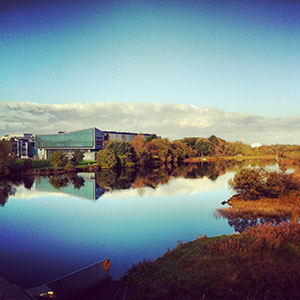
Since 1845, University of Galway has been sharing the highest quality teaching and research with Ireland and the world. Find out what makes our University so special – from our distinguished history to the latest news and campus developments.
-
Colleges & Schools
Colleges & Schools
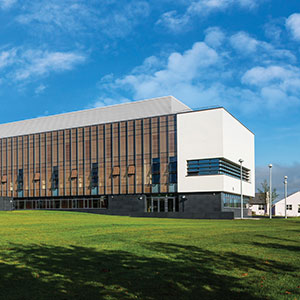
University of Galway has earned international recognition as a research-led university with a commitment to top quality teaching across a range of key areas of expertise.
-
Research & Innovation

Research & Innovation
University of Galway’s vibrant research community take on some of the most pressing challenges of our times.
-
Business & Industry
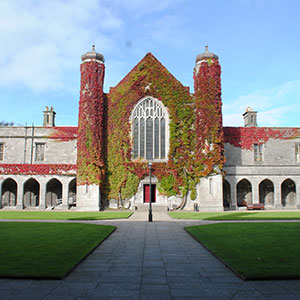
Guiding Breakthrough Research at University of Galway
We explore and facilitate commercial opportunities for the research community at University of Galway, as well as facilitating industry partnership.
-
Alumni & Friends

Alumni & Friends
There are 128,000 University of Galway alumni worldwide. Stay connected to your alumni community! Join our social networks and update your details online.
-
Community Engagement
Community Engagement
At University of Galway, we believe that the best learning takes place when you apply what you learn in a real world context. That's why many of our courses include work placements or community projects.
 Accessibility & Language
MSC EEE/MSc (Electrical & Electronic Engineering)

MSC EEE/MSc (Electrical & Electronic Engineering)
College of Science and Engineering, School of Engineering- Title of Award
- Master of Science in Electrical and Electronic Engineering
- Course Code
- 1MSEE1
- Delivery
- On Campus
- NFQ
- Level 9
- Award Type
- Major
- Duration
- 1 year, full-time
- ECTS Weighting
- 90
Why Choose This Course?
Course Information
Why Choose This Course?
The MSc in Electrical & Electronic Engineering equips graduates with advanced technical expertise in high-demand areas including energy systems, power electronics, robotics, and embedded systems. The programme combines specialist engineering knowledge with transferable skills in project management, sustainability, innovation, and professional practice.
Students benefit from a substantial 30 ECTS design-and-build project, providing valuable hands-on experience in solving real-world engineering challenges and preparing them for careers in industry, research, and technological innovation.
The programme has been developed in response to strong international demand for a 90 ECTS master's qualification and builds on the success of the University's established postgraduate programmes in Electrical & Electronic Engineering. Graduates will be well positioned for opportunities across sectors such as renewable energy, automation, manufacturing, electronics, telecommunications, and emerging technologies.
With growing demand worldwide for highly skilled electrical and electronic engineers, this programme offers an excellent pathway to advanced engineering careers and further research opportunities.
Course Information
The MSc in Electrical & Electronic Engineering is designed for graduates with a background in electrical, electronic, computer, mechatronic, or related engineering disciplines who wish to develop advanced technical expertise and enhance their career opportunities in a rapidly evolving sector.
The programme is particularly suited to students interested in areas such as energy systems, power electronics, robotics, embedded systems, automation, and emerging technologies. Through a combination of advanced coursework and a substantial 30 ECTS design-and-build project, students gain both specialist knowledge and practical engineering experience.
Graduates of this programme are highly sought after across a wide range of industries, including:
- Automotive electronics
- Microelectronics and semiconductor design
- Electrical engineering
- Renewable energy
- Automation and industrial control
- Medical devices
- Telecommunications
- Power systems and smart grids
Electrical and Electronic Engineers can pursue diverse roles such as:
- Product design and development engineer
- Systems engineer
- Hardware design engineer
- Applications engineer
- Field test engineer
- Electrical consultant
- Project manager
- Research and development engineer
What will I study?
The MSc in Electrical & Electronic Engineering provides advanced study in contemporary electrical and electronic engineering, combining specialist technical knowledge with practical project-based learning and professional skills development.
Students will study modules across key areas of modern electrical and electronic engineering, including:
- Energy systems and sustainable power technologies
- Power electronics and electrical drives
- Robotics and automation
- Embedded systems and intelligent devices
- Modelling, simulation, and control systems
- Advanced electronic system design
- Engineering innovation and emerging technologies
In addition to technical modules, students will develop transferable skills that are highly valued by employers, including:
- Project management
- Sustainability and responsible engineering
- Research methods
- Technical communication
- Teamwork and leadership
A defining feature of the programme is the 30 ECTS design-and-build project, where students apply their learning to a substantial engineering challenge. Working under academic supervision, students will design, develop, and evaluate an innovative solution, gaining valuable hands-on experience in engineering design, implementation, testing, and project delivery.
The programme is designed to equip graduates with both the specialist expertise and professional competencies required for careers in industry, innovation, and research within the rapidly evolving electrical and electronic engineering sector.
[an error occurred while processing this directive]
Unique Features of this Course
- Contemporary engineering focus covering high-demand areas such as energy systems, power electronics, robotics, and embedded systems.
- Substantial 30 ECTS design-and-build project, enabling students to apply advanced engineering concepts to real-world challenges.
- Industry-relevant skills development in project management, sustainability, innovation, teamwork, and professional practice.
- Strong alignment with emerging industry needs, particularly in electronics, semiconductor technologies, automation, and intelligent systems.
- Designed for the international market as a 90 ECTS master's degree, providing an enhanced postgraduate learning experience and broader career opportunities.
Research-informed teaching and modern laboratory facilities, delivered by academic experts engaged in leading engineering research
The MSc in Electrical & Electronic Engineering prepares graduates for rewarding careers at the forefront of technological innovation. As industries worldwide invest in digitalisation, automation, renewable energy, advanced manufacturing, and semiconductor technologies, demand for highly skilled Electrical and Electronic Engineers continues to grow. This programme equips students with the advanced technical knowledge, practical engineering experience, and professional skills required to succeed in these rapidly evolving sectors.
Through specialist study in areas such as energy systems, power electronics, robotics, and embedded systems, combined with a substantial 30 ECTS design-and-build project, graduates develop the ability to design, develop, test, and implement engineering solutions to real-world challenges. Employers particularly value the programme's emphasis on project work, problem-solving, teamwork, communication, and project management skills.
Graduates can pursue careers across a wide range of industries, including:
- Electronics and semiconductor design
- Renewable energy and sustainable technologies
- Power generation, transmission, and distribution
- Automation and industrial control systems
- Robotics and intelligent systems
- Telecommunications and communications technologies
- Medical devices and healthcare technologies
- Advanced manufacturing and Industry 4.0
- Engineering consultancy
- Research and development
Potential career paths include:
- Electrical Engineer
- Electronic Engineer
- Systems Engineer
- Hardware Design Engineer
- Embedded Systems Engineer
- Power Electronics Engineer
- Control and Automation Engineer
- Robotics Engineer
- Telecommunications Engineer
- Applications Engineer
- Research and Development Engineer
- Project Engineer
- Engineering Consultant
- Technical Manager
Graduates will be well positioned to secure opportunities with multinational technology companies, semiconductor manufacturers, energy providers, engineering consultancies, telecommunications companies, medical device manufacturers, and advanced manufacturing organisations. The skills developed through the programme are highly transferable and are valued across both established engineering sectors and emerging technology industries.
The programme also provides an excellent foundation for further study and research. Graduates may progress to PhD research in Electrical and Electronic Engineering or related disciplines, leading to careers in research, innovation, and academia.
With a well-documented shortage of Electrical and Electronic Engineers across Ireland and Europe, and growing investment in areas such as semiconductor design, automation, renewable energy, and intelligent systems, graduates from this programme can expect strong employment prospects and opportunities to contribute to the technologies shaping the future.
Engineers Ireland
The MSc in Electrical & Electronic Engineering has been designed in accordance with internationally recognised engineering education standards and builds on the University's long-standing tradition of accredited engineering programmes. The programme supports graduates in developing the advanced technical knowledge and professional competencies expected of modern engineering professionals.
Engineers Ireland accreditation provides assurance that engineering programmes meet rigorous academic and professional standards and are aligned with the needs of industry. Accredited qualifications are internationally recognised through agreements such as the Washington Accord, supporting graduate mobility and career opportunities worldwide
Accreditation from Engineers Ireland will be sought for this programme in accordance with established accreditation processes. Engineers Ireland-accredited qualifications are recognised internationally and provide graduates with a strong foundation for professional engineering practice and progression towards Chartered Engineer status, where applicable.
The MSc in Electrical & Electronic Engineering combines advanced theoretical learning with practical, project-based experience to provide a comprehensive postgraduate engineering education.
You will learn through a blend of lectures, laboratory sessions, tutorials, workshops, and independent study, delivered by academic staff with expertise in cutting-edge areas of Electrical and Electronic Engineering. Modules are designed to develop both technical knowledge and practical engineering skills, with opportunities to apply learning to real-world challenges.
Hands-on laboratory work and design exercises will allow you to gain experience with industry-relevant tools, technologies, and engineering methodologies. Collaborative activities and group projects will enhance your teamwork, communication, and problem-solving abilities, while individual assignments will encourage independent learning and critical thinking.
A key element of the programme is the 30 ECTS design-and-build project, where you will work closely with an academic supervisor to design, develop, implement, and evaluate a substantial engineering solution. This project enables you to integrate the knowledge and skills acquired throughout the programme while gaining valuable experience in project management, research, and innovation.
Throughout your studies, you will benefit from access to modern laboratories, specialist equipment, and research-informed teaching in a supportive learning environment.
How Will I Be Assessed?
Assessment is designed to evaluate both your technical understanding and your ability to apply engineering principles in practical contexts.
A variety of assessment methods may be used across the programme, including:
- Technical reports and design portfolios
- Individual and group projects
- Laboratory assignments
- Presentations and demonstrations
- Case studies and problem-solving exercises
- Written examinations
- Project documentation and project review meetings
- The final design-and-build project dissertation and presentation
The programme places a strong emphasis on continuous assessment, ensuring that students receive regular feedback on their progress and development throughout the academic year. The substantial 30 ECTS project forms a significant component of the overall assessment and allows students to demonstrate their ability to deliver a complete engineering solution from concept through to implementation and evaluation.
Assessment methods may vary between modules, reflecting the diverse technical and professional skills developed throughout the programme.
Administrator:
Mary Costello: Mary.costello@universityofgalway.ie
Programme Director(s):
Professor Maeve Duffy: maeve.duffy@universityofgalway.ie
Electrical & Electronic Engineering
School of Engineering
College of Science and Engineering
What academic background do I need?
Applicants should normally hold a First Class or Second Class Honours Grade 1 (H2.1) undergraduate degree, or international equivalent, in Electrical Engineering, Electronic Engineering, Computer Engineering, Mechatronic Engineering, or a closely related discipline.
Do I need prior industry experience?
No. The programme is suitable for recent graduates as well as early-career professionals seeking to deepen their technical expertise and enhance their career prospects.
What areas of Electrical and Electronic Engineering will I study?
Students will study contemporary topics such as energy systems, power electronics, robotics, embedded systems, and related areas of advanced electrical and electronic engineering, alongside modules that develop project management and sustainability skills.
Is there a research or project component?
Yes. A key feature of the programme is a substantial 30 ECTS design-and-build project, allowing students to apply their knowledge to a significant engineering challenge.
What career opportunities are available after graduation?
Graduates are prepared for careers in sectors including renewable energy, semiconductor design, electronics, automation, telecommunications, medical devices, power systems, advanced manufacturing, and engineering consultancy. The programme also provides a strong foundation for further research at PhD level.
Is the programme suitable for international students?
Yes. The MSc has been developed as a 90 ECTS programme in response to international market demand and is designed to attract students from around the world seeking an internationally recognised qualification in Electrical and Electronic Engineering.
Are laboratory facilities available?
Yes. Students will have access to modern engineering laboratories, specialist equipment, and software tools that support practical learning and project development.
Can I progress to a PhD after completing the programme?
Yes. The MSc provides an excellent basis for doctoral research and further academic study in Electrical and Electronic Engineering and related fields.
Is Recognition of Prior Learning (RPL) available?
University of Galway recognises that knowledge and skills can be acquired through formal, non-formal, and experiential learning. Applicants may be considered through the University's Recognition of Prior Learning (RPL) process where appropriate.
What makes this programme distinctive?
The programme combines advanced technical education in high-demand engineering areas with transferable skills development and a substantial design-and-build project, preparing graduates for leadership roles in industry, innovation, and research.
University of Galway recognises that knowledge and skills can be acquired from a range of learning experiences, including formal, non-formal, and experiential learning.
Applicants who do not meet the standard entry requirements for the MSc in Electrical & Electronic Engineering may be considered for admission through the University's Recognition of Prior Learning (RPL) process. Prior learning may include qualifications gained through previous study, relevant professional experience, workplace learning, professional training, or other accredited learning.
This is in line with the National Framework of Qualifications (NFQ) goals, which aim to recognise all learning achievements by supporting the development of alternative pathways to qualifications and by facilitating the Recognition of Prior Learning (RPL).
Applications for Recognition of Prior Learning are assessed on an individual basis in accordance with University policy. Evidence of prior learning and relevant experience may be required as part of the application process.
For further information on Recognition of Prior Learning, please visit the University of Galway RPL webpage or the National Framework of Qualifications (NFQ) website, or contact the programme team.
In addition to advanced technical expertise, the MSc in Electrical & Electronic Engineering develops a range of transferable skills that are highly valued by employers across engineering, technology, and related sectors.
Throughout the programme, students will strengthen their abilities in:
- Project Management: Planning, organising, and delivering complex engineering projects within defined timescales and resource constraints.
- Problem Solving and Critical Thinking: Analysing complex technical challenges and developing innovative, evidence-based solutions.
- Communication Skills: Presenting technical information clearly and effectively through reports, presentations, and professional documentation.
- Teamwork and Collaboration: Working effectively in multidisciplinary teams and contributing to shared project objectives.
- Research and Analytical Skills: Evaluating technical literature, analysing data, and applying research methodologies to engineering problems.
- Leadership and Professional Practice: Developing the confidence and professional competence required to lead engineering projects and teams.
- Sustainability Awareness: Understanding the role of engineering in addressing global sustainability challenges and incorporating sustainable practices into engineering design.
- Innovation and Creativity: Applying engineering principles to develop novel solutions and technologies.
- Digital and Technical Competence: Using modern engineering tools, software, and technologies relevant to contemporary engineering practice.
The programme's substantial 30 ECTS design-and-build project provides a particularly valuable opportunity to develop and demonstrate these skills in a practical setting. Graduates leave with a combination of technical expertise and professional competencies that are essential for success in industry, research, and further academic study.
Accreditations & Awards
Meet our Employers
Entry Requirements and Fees
Minimum Entry Requirements
Candidates must hold at least a Second Class Honours Level 8 primary degree in a related subject area or hold a primary degree in a related area (which is acceptable to the college) without honours and have three years’ relevant practical experience in the subject area.
Academic entry requirements standardised per country are available here.
English Language Entry Requirements
For applicants whose first language is not English, an English language proficiency of IELTS score of 6.5 is required (with no less than 6.5 in Writing and no less than 6.0 in any other band) or equivalent.
More information on English language test equivalency are available here.
Supporting Documents
You will be required to provide supporting documentation as part of your application. You can check here what supporting documents are required for this course.
How to Apply
You can apply online to the University of Galway application portal here. Please review the entry requirements set out in the section above. You will be required to upload supporting documentation to your application electronically. See the section above on entry requirements for further information on the supporting documentation required for this course.
Closing Dates
For this programme, there is no specific closing date for receipt of applications. Applications will be accepted on a rolling basis and course quotes will be reviewed continuously throughout the application cycle.
Notes
You will need an active email account to use the website and you'll be guided through the system, step by step, until you complete the online form.
Browse the FAQ's section for further guidance.
| Course Type | Year | EU Tuition | Student Contribution | Non-EU Tuition | Levy | Total Fee | Total EU Fee | Total Non-EU Fee |
|---|
Postgraduate Excellence Scholarships
University of Galway has generous scholarships valued at €1,500 for EU students applying for full-time taught master's postgraduate courses. You will be eligible if you have:
- been accepted to a full-time taught master's course at University of Galway,
- have attained a first class honours (or equivalent) in a Level 8 primary degree.
Application Procedure:
An application for the scholarship scheme is required (separate to the application for a place on the programme). The application portal for 2027 is now open and available here. Applications will close on the 30th September 2027. Late applications will not be accepted.
The scheme above is only open to EU students. Non-EU students are encouraged to check international postgraduate scholarships opportunities here.
Full details of the scholarship scheme are available here.
Global Scholarships
University of Galway offers a range of merit-based scholarships to students from a number of countries outside of the EU. Visit here for schemes currently available.
Application Process
Students applying for full time postgraduate programmes from outside of the European Union (EU), You can apply online to the University of Galway application portal here.
Our application portal opens on the 1st October each year for each the following September.
Further Information
Please visit the postgraduate admissions webpage for further information on closing dates, documentation requirements, application fees and the application process.

Why University of Galway?
World renowned research led university nestled in the vibrant heart of Galway city on Ireland's scenic West Coast.
Contact the College of Science and Engineering
University of Galway, University Road, Galway, Ireland, H91 TK33


Downloads

Meet Our Alumni
Introduction
Bridging Advanced Engineering for a Sustainable Future
The MSc in Electrical & Electronic Engineering provides advanced study in key engineering areas including energy systems, power electronics, robotics, and embedded systems. Students combine technical learning with skills in project management and sustainability, culminating in a significant 30 ECTS design-and-build project that prepares graduates for leadership roles in industry and innovation.