-
Courses
Courses
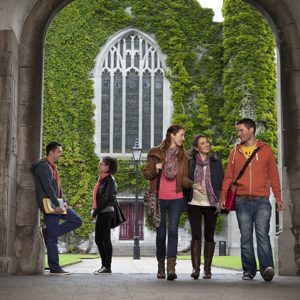
Choosing a course is one of the most important decisions you'll ever make! View our courses and see what our students and lecturers have to say about the courses you are interested in at the links below.
-
University Life
University Life
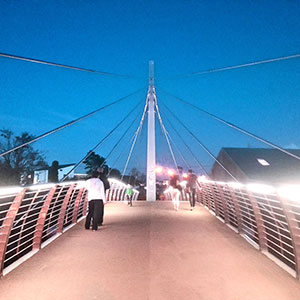
Each year more than 4,000 choose University of Galway as their University of choice. Find out what life at University of Galway is all about here.
-
About University of Galway
About University of Galway
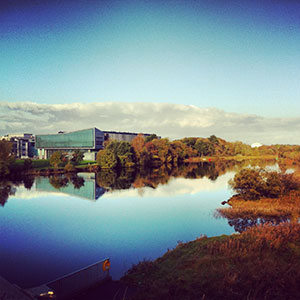
Since 1845, University of Galway has been sharing the highest quality teaching and research with Ireland and the world. Find out what makes our University so special – from our distinguished history to the latest news and campus developments.
-
Colleges & Schools
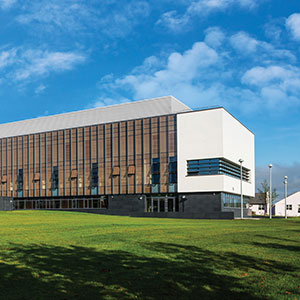
Colleges & Schools
University of Galway has earned international recognition as a research-led university with a commitment to top quality teaching across a range of key areas of expertise.
-
Research & Innovation
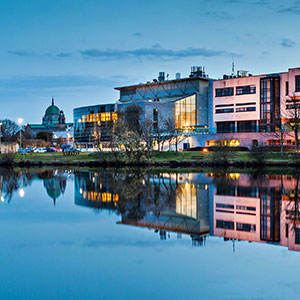
Research & Innovation
University of Galway’s vibrant research community take on some of the most pressing challenges of our times.
-
Business & Industry
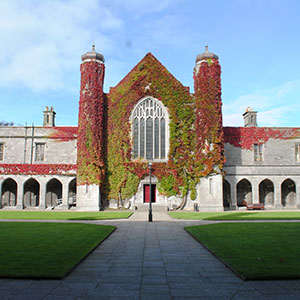
Guiding Breakthrough Research at University of Galway
We explore and facilitate commercial opportunities for the research community at University of Galway, as well as facilitating industry partnership.
-
Alumni & Friends
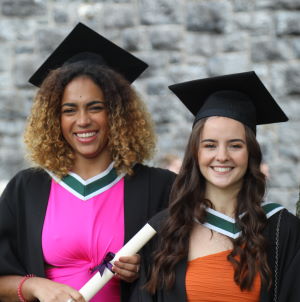
Alumni & Friends
There are 128,000 University of Galway alumni worldwide. Stay connected to your alumni community! Join our social networks and update your details online.
-
Community Engagement
Community Engagement
At University of Galway, we believe that the best learning takes place when you apply what you learn in a real world context. That's why many of our courses include work placements or community projects.
 Accessibility & Language
News & Events
BILQIS in Sarajevo: Muslim Women’s Access to Justice in the Balkans
May
29
2026
Posted: 19:19 IST
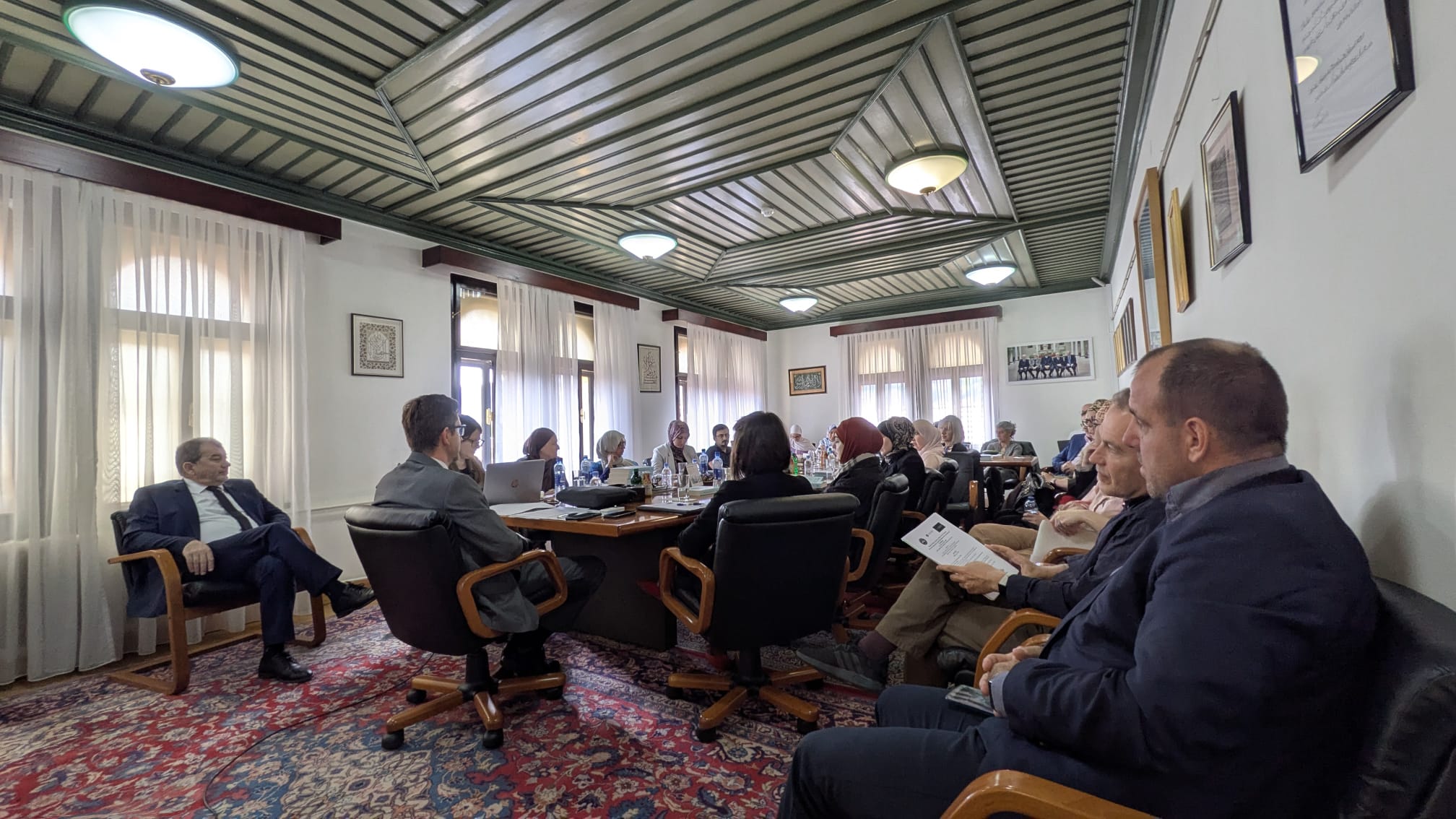
From 20–22 May 2026, the BILQIS team gathered in Sarajevo for an internal research retreat followed by a two-day international workshop hosted by the Faculty of Islamic Studies, University of Sarajevo.
The workshop, Muslim Women’s Access to Justice in the Balkans: Historical Trajectories, Legal Pluralism, and Contemporary Challenges, took place on 21–22 May in collaboration with the ERC BILQIS Project and the Centre for Law, Religion and Society, School of Law, University of Galway.
The Sarajevo gathering brought together the BILQIS team — Professor Roja Fazaeli, Dr Joel Hanisek, Dr Sanja Bilic, Đermana Kurić, Dr Tiba Bonyad, Dr Maria Kokkinou, Saeede Mokhtarzade and Dr Nazife Kosukoğlu — joined by Professor Jeroen Temperman of Erasmus University Rotterdam, a member of the BILQIS Advisory Board, and invited scholars and practitioners from Bosnia and Herzegovina, Bulgaria, Greece and the United Kingdom.
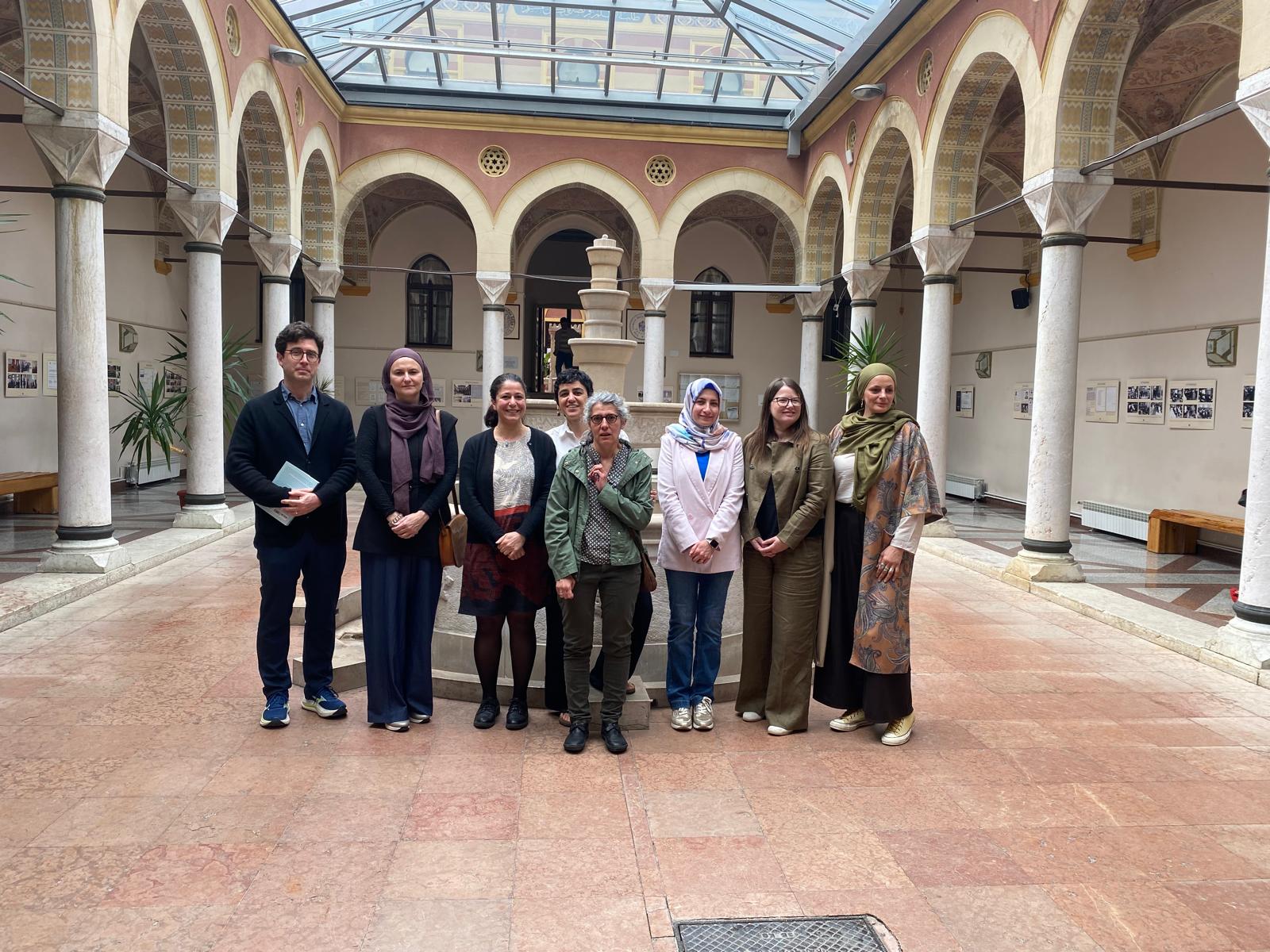
The Sarajevo gathering began on 20 May with an internal research retreat attended by the full BILQIS team and Professor Jeroen Temperman, a member of the project’s Advisory Board. The retreat provided dedicated space to reflect on the project’s historical and contemporary research, revisit shared questions of agency, authority, power and researcher positionality, and consider how findings emerging across the different country contexts speak to one another. The team also discussed future publications, comparative lines of inquiry and the next phase of BILQIS research.
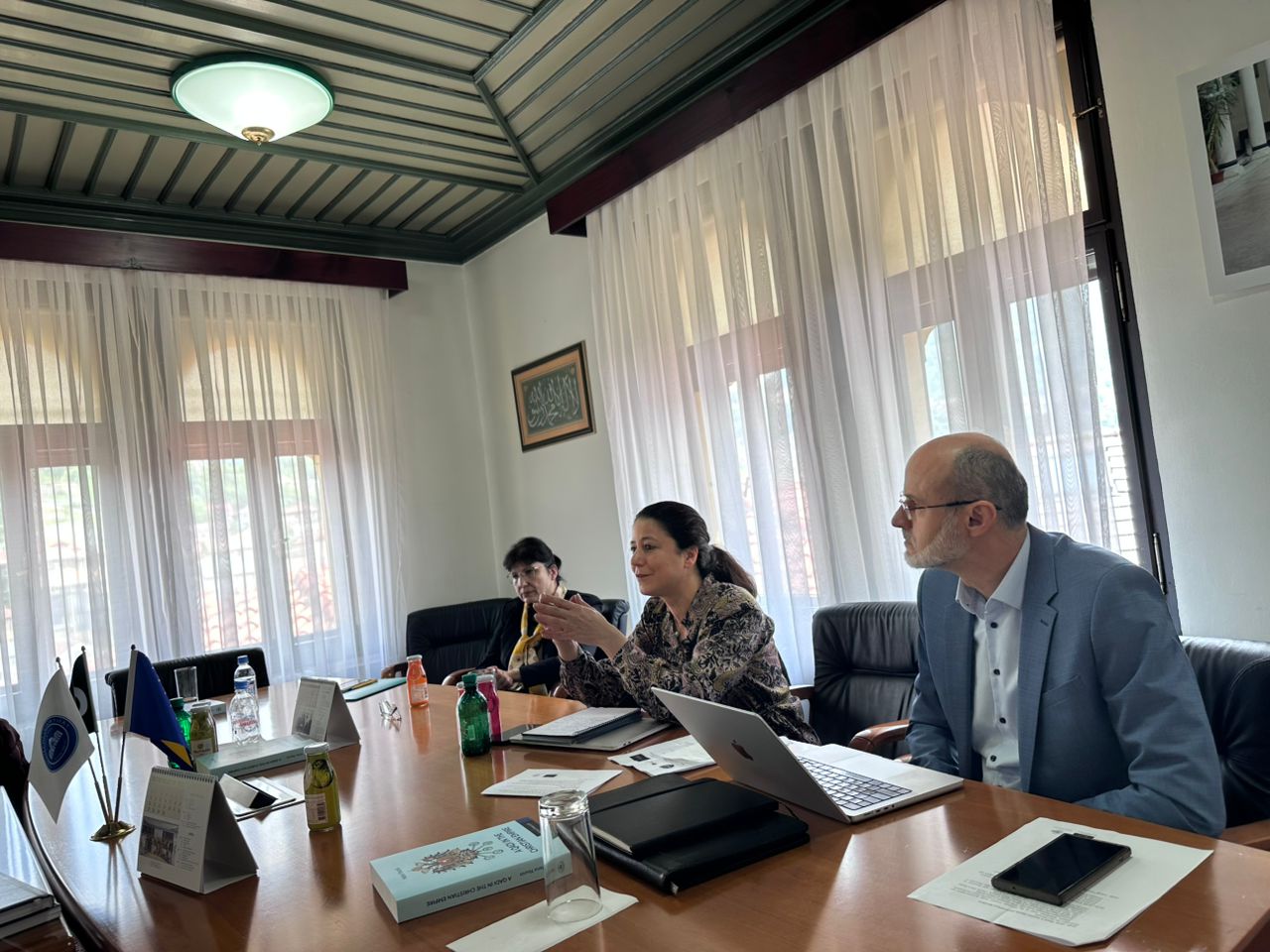
The public workshop that followed opened these conversations to a wider group of scholars working on Islamic legal history, family law, religious authority, legal pluralism and Muslim women’s access to justice. Across five panels, the programme moved between different periods, jurisdictions and forms of legal and religious authority, from Ottoman court records and post-Ottoman institutional change to contemporary questions surrounding marriage, divorce, inheritance, fatwa councils, minority law and European human rights.
The first panel examined historical perspectives on Islamic family law in the Ottoman and post-Ottoman Balkans. Hana Younis explored women’s litigation and the legal possibilities available through Sharia court records under Ottoman and Austro-Hungarian institutional frameworks. Elma Korić drew on sources from the sixteenth to eighteenth centuries to examine Muslim women’s access to justice in Ottoman Bosnia. BILQIS researcher Nazife Kosukoğlu considered inheritance, property and legal dynamism in the Balkans, connecting Islamic inheritance rules and gendered access to resources with later legal developments.
The second panel addressed theology, gender and authority across periods of legal and social transition. Sumeja Ljevaković Subašić examined Qur’anic interpretation and debates concerning women within Bosnian Muslim discussions of Islamic family law. Georgeta Nazarska traced transformations in Muslim marriage and the status of Muslim women in Bulgaria between the 1930s and 1980s. Nizama Ahmed analysed women’s issues in the fiqh answers of the Fatwa Amin of the Islamic Community in Bosnia and Herzegovina, including questions of equality, authority and guardianship.
Two panels then turned to contemporary legal pluralism and access to justice in Europe. BILQIS PhD candidate Saeede Mokhtarzade examined the relationship between European public order, legal pluralism, migration, polygamy and Article 8 of the European Convention on Human Rights. Amila Svraka-Imamović offered a comparative legal analysis of the dual testimony requirement for women at marriage ceremonies conducted by the Islamic Community in Bosnia and Herzegovina. Jeroen Temperman explored legal pluralism and parallel justice.
On the second day, Konstantinos Tsitselikis traced the history of Sharia law in Greece and recent changes concerning the position and jurisdiction of the mufti. BILQIS researcher Maria Kokkinou examined strategies and practices emerging through accounts of divorce proceedings, while Joel Hanisek considered questions of authority and access through the work of fatwa councils in Europe.
The final panel focused on the interfaces between gender, Sharia and civil law. Nedim Begović examined Islamic inheritance law in the European context through the jurisprudence of the European Council for Fatwa and Research. Khola Hasan drew on the work and cases of the UK Islamic Sharia Council. BILQIS Research Associate and Workshop Coordinator Đermana Kurić explored Muslim women’s navigation of Sharia, modernity and secularity in contemporary Bosnia and Herzegovina.
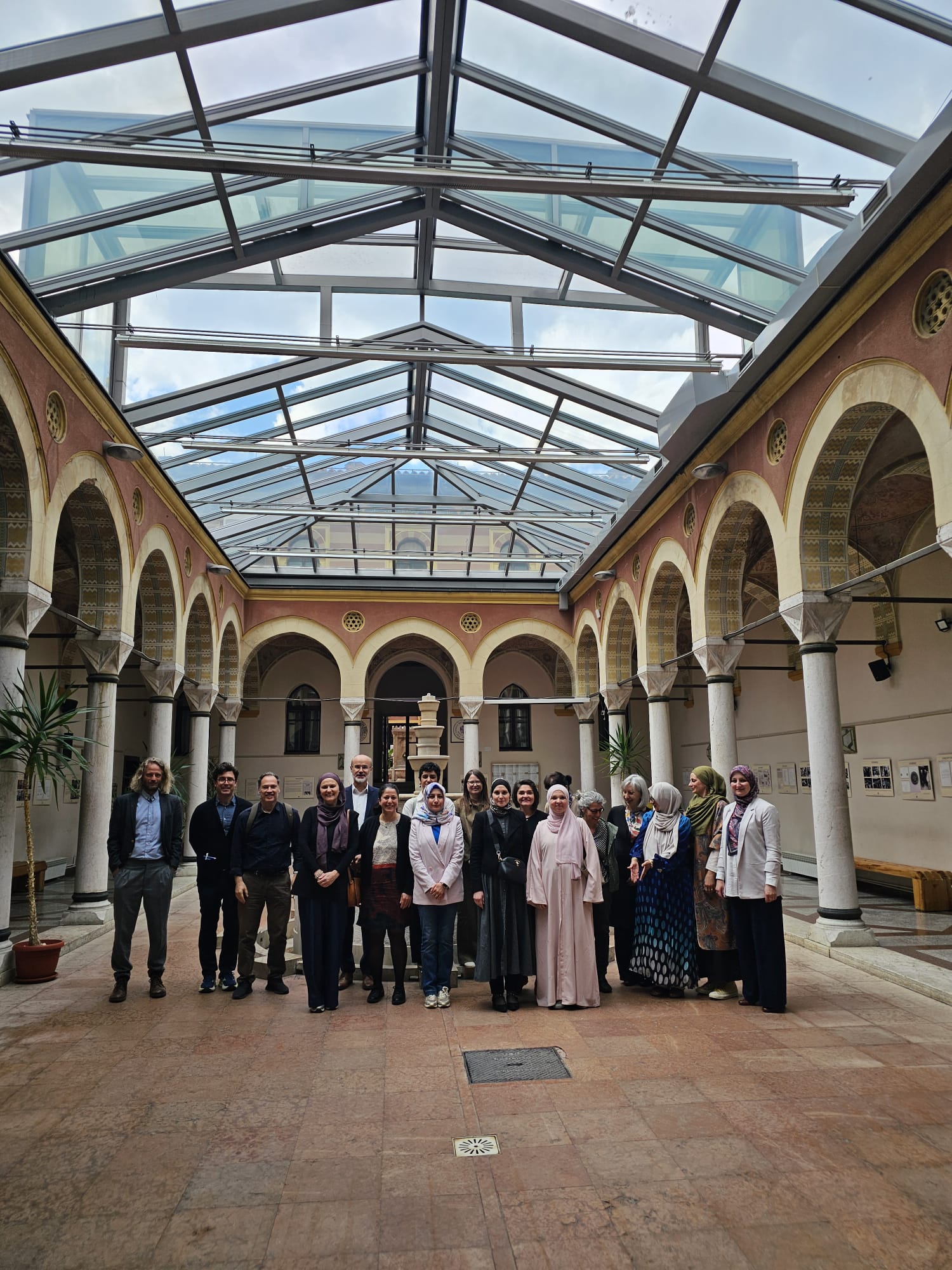
Bringing the full BILQIS team into conversation with scholars working from within the Bosnian, Balkan and wider European contexts was central to the value of the gathering. The workshop allowed the project to connect detailed historical and legal research with contemporary institutional practice and women’s experiences of seeking justice across different normative settings.
It also deepened collaboration between BILQIS, the Centre for Law, Religion and Society and the Faculty of Islamic Studies. Sarajevo provided more than a venue for the workshop. Bosnia and Herzegovina’s Ottoman and post-Ottoman legal histories, experience of socialist secularism, Islamic institutions and contemporary civil-law setting made it an important place from which to examine the project’s central questions of gender, agency and authority.
BILQIS and the Centre for Law, Religion and Society extend their sincere thanks to the Faculty of Islamic Studies, University of Sarajevo, for hosting the gathering, and in particular to Professor Mustafa Hasani, Dean of the Faculty, Professor Ahmet Alibašić and colleagues at the Faculty for their hospitality, close collaboration and intellectual engagement.
We also thank every invited speaker, moderator and participant whose contribution made the workshop a substantive and genuinely comparative exchange. The discussions begun in Sarajevo will continue to inform BILQIS research, publications and future collaboration.
The Faculty of Islamic Studies has published its own review of the workshop, which can be read here (in Bosnian): https://fin.unsa.ba/unsa-fin-centar-za-pravo-religiju-i-drustvo-i-erc-projekt-bilqis-sa-univerziteta-u-galwayu-irska-medjunarodna-konferencija-muslimanke-i-ostvarivanje-njihovih-prava-na-balkanu-historijsk/