-
Courses
Courses
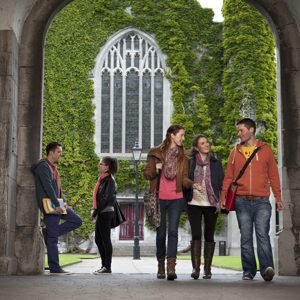
Choosing a course is one of the most important decisions you'll ever make! View our courses and see what our students and lecturers have to say about the courses you are interested in at the links below.
-
University Life
University Life
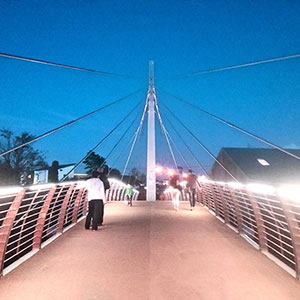
Each year more than 4,000 choose University of Galway as their University of choice. Find out what life at University of Galway is all about here.
-
About University of Galway
About University of Galway
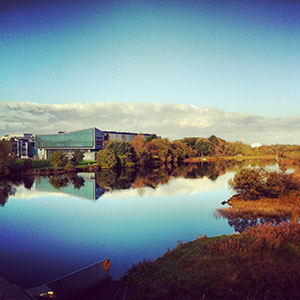
Since 1845, University of Galway has been sharing the highest quality teaching and research with Ireland and the world. Find out what makes our University so special – from our distinguished history to the latest news and campus developments.
-
Colleges & Schools
Colleges & Schools
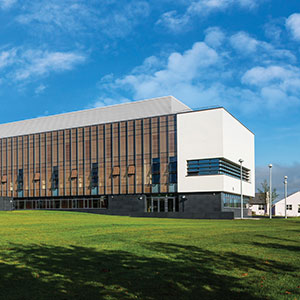
University of Galway has earned international recognition as a research-led university with a commitment to top quality teaching across a range of key areas of expertise.
-
Research & Innovation
Research & Innovation
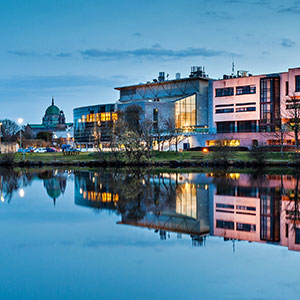
University of Galway’s vibrant research community take on some of the most pressing challenges of our times.
-
Business & Industry
Guiding Breakthrough Research at University of Galway
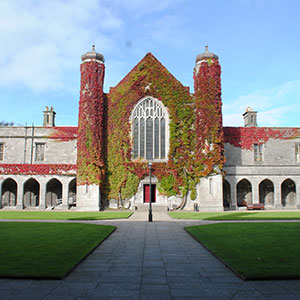
We explore and facilitate commercial opportunities for the research community at University of Galway, as well as facilitating industry partnership.
-
Alumni & Friends
Alumni & Friends
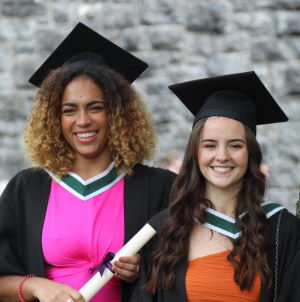
There are 128,000 University of Galway alumni worldwide. Stay connected to your alumni community! Join our social networks and update your details online.
-
Community Engagement
Community Engagement
At University of Galway, we believe that the best learning takes place when you apply what you learn in a real world context. That's why many of our courses include work placements or community projects.
 Accessibility & Language
Translational Simulation
At the ICAPSS, simulation is used not only to educate healthcare professionals, but also to understand and improve the healthcare systems in which they work.
Our Translational Simulation (TS) programmes bring healthcare teams, researchers and service partners together to explore real-world clinical problems in a safe and controlled environment. This approach enables healthcare organisations to learn about how systems actually work in practice, rather than relying solely on how they are expected to work. Findings from simulation can then inform quality improvement, service redesign, education, policy and patient safety initiatives.
We support local and regional TS projects with our clinical staff and deliver an average of 25+ programmes per year. Examples include:
- Diagnostic simulation for lumbar puncture contaminated samples
- Quality improvement in the maternity unit
- Diagnosing latent safety threats in a new psychiatry unit
- Implementing bespoke education for acute medical emergencies in psychiatry
- Community outreach programmes targeting specific systems issues (e.g. recruitment, retention, water safety)
- Diagnostic simulation for an integrated care pathway for older persons
We also work with the National Simulation Office to support the design and delivery of TS for improvement and safety. Examples include:
- Hybrid TS for the National Children’s Hospital in Ireland using TTX and VEMS
- Diagnostic simulation for understanding the complexity of sepsis presenting to the Emergency Department
- Interventional TS to immerse international graduates to the Irish healthcare system