-
Courses

Courses
Choosing a course is one of the most important decisions you'll ever make! View our courses and see what our students and lecturers have to say about the courses you are interested in at the links below.
-
University Life

University Life
Each year more than 4,000 choose University of Galway as their University of choice. Find out what life at University of Galway is all about here.
-
About University of Galway

About University of Galway
Since 1845, University of Galway has been sharing the highest quality teaching and research with Ireland and the world. Find out what makes our University so special – from our distinguished history to the latest news and campus developments.
-
Colleges & Schools
Colleges & Schools
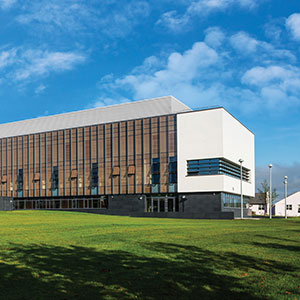
University of Galway has earned international recognition as a research-led university with a commitment to top quality teaching across a range of key areas of expertise.
-
Research & Innovation

Research & Innovation
University of Galway’s vibrant research community take on some of the most pressing challenges of our times.
-
Business & Industry
Guiding Breakthrough Research at University of Galway
We explore and facilitate commercial opportunities for the research community at University of Galway, as well as facilitating industry partnership.
-
Alumni & Friends

Alumni & Friends
There are 128,000 University of Galway alumni worldwide. Stay connected to your alumni community! Join our social networks and update your details online.
-
Community Engagement
Community Engagement
At University of Galway, we believe that the best learning takes place when you apply what you learn in a real world context. That's why many of our courses include work placements or community projects.
 Accessibility & Language
Teaching & Learning
Overview
The Pathology discipline introduces undergraduate students to the core concepts and multidisciplinary knowledge essential for diagnosing and managing clinical conditions. The module explores how molecular, environmental, and social factors drive disease progression while emphasizing health promotion and prevention. Students apply these principles to real-world clinical cases in a flipped classroom format, integrating expertise across Pathology, Bacteriology, and Public Health. Additionally, the curriculum builds a strong foundation in forensic medicine, covering everything from the role of the state pathologist to the legalities of death certification and the coroner’s office.
Undergraduate
The Health and Disease module, delivered over 2MB and 3MB, builds on foundational sciences, and integrates Pathology, Bacteriology, and Public Health to help students transition from basic theory to clinical application.
- Core Topics: The curriculum covers broad disease mechanisms including cell injury, neoplasia, and haematology alongside system-specific pathobiology for the cardiovascular, respiratory, nervous, and gastrointestinal systems
- Specialized Focus: Students gain unique insights into Forensic Medicine and the covering the role of the State Pathologist, death certification, and the investigation of unnatural deaths
- Teaching Methods: Learning is delivered through didactic teaching, tutorials and other methods. Future teaching will include contributions to case-based learning, lectures and workshops.
- Student Experience: Participants engage in a multidisciplinary environment that emphasizes the interplay between the pathological basis of disease at the molecular level with clinical correlates
- PA405 introduces biomedical engineering students to the fundamental concepts of pathology by examining the molecular, cellular, tissue, and organ-level changes that occur during disease development and progression. Overall, the module highlights the important role biomedical engineers play in advancing technologies for improved diagnosis, screening, and treatment of disease
- NU2200 provides nursing students with a foundational understanding of pathology by examining the biological mechanisms underlying disease and tissue dysfunction relevant to nursing and midwifery practice. The module focuses on key pathological processes such as cell and tissue injury, inflammation, embolism, ischaemia, and neoplasia, helping students understand how these changes impact normal physiological function across major body systems. Overall, the module supports
Postgraduate
Taught
The Discipline of Pathology offers postgraduate research degrees including MD in Pathology, MSc in Pathology/Medicine and PhD in Pathology/Medicine. For further details on our research interests and for contact names, see our research section.
- Research Degrees: The Discipline provides robust pathways for advanced research, offering MD, MSc, and PhD degrees in Pathology and Medicine.
Galway University Hospitals offers comprehensive postgraduate training and research opportunities in Pathology, detailed as follows:
- Professional Training: As a recognized center for the ICSMHT, the department hosts Specialist Registrars for two-year rotations, preparing them for the FRCPath/MRCPath examinations and fellowship
- Academic Progression: Trainees are actively encouraged to pursue further academic qualifications, such as a Master of Medical Science, alongside their clinical practice and Irish Medical Council licensing
Research
Postgraduate research teaching in the Discipline of Pathology is research-led, integrating contemporary histopathology with advances in molecular pathology and diagnostics. Students undertake MD, MSc or PhD research pathways (including a Structured PhD) in Pathology/Medicine, supported by experienced supervisors and a defined research training plan. As a recognised centre for postgraduate histopathology training, the Discipline provides academic training and research opportunities for medical graduates pursuing pathology careers. Research supervision is embedded within an active, internationally recognised translational cancer programme, with strengths in breast, prostate and colon cancer, and multidisciplinary methods spanning basic science, clinical oncology and molecular epidemiology. Areas of mechanistic research interest include inflammation in the tumour microenvironment, lncRNA in tumour progression and treatment response, centrosome stability and tumour development, and the impact of tumour-progression on immune infiltration and therapeutic response.