-
Courses

Courses
Choosing a course is one of the most important decisions you'll ever make! View our courses and see what our students and lecturers have to say about the courses you are interested in at the links below.
-
University Life

University Life
Each year more than 4,000 choose University of Galway as their University of choice. Find out what life at University of Galway is all about here.
-
About University of Galway

About University of Galway
Since 1845, University of Galway has been sharing the highest quality teaching and research with Ireland and the world. Find out what makes our University so special – from our distinguished history to the latest news and campus developments.
-
Colleges & Schools
Colleges & Schools
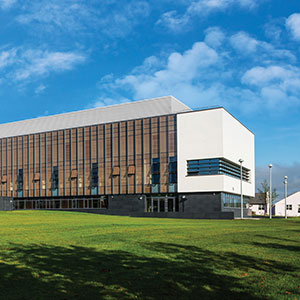
University of Galway has earned international recognition as a research-led university with a commitment to top quality teaching across a range of key areas of expertise.
-
Research & Innovation

Research & Innovation
University of Galway’s vibrant research community take on some of the most pressing challenges of our times.
-
Business & Industry
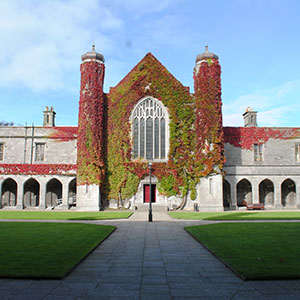
Guiding Breakthrough Research at University of Galway
We explore and facilitate commercial opportunities for the research community at University of Galway, as well as facilitating industry partnership.
-
Alumni & Friends
Alumni & Friends
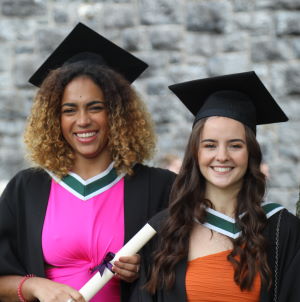
There are 128,000 University of Galway alumni worldwide. Stay connected to your alumni community! Join our social networks and update your details online.
-
Community Engagement
Community Engagement
At University of Galway, we believe that the best learning takes place when you apply what you learn in a real world context. That's why many of our courses include work placements or community projects.
 Accessibility & Language
College of Medicine, Nursing and Health Sciences
The Marie Skłodowska-Curie Actions are the European Union’s reference programme for doctoral education and postdoctoral training. The Marie Skłodowska-Curie Actions fund excellent research and innovation and equip researchers at all stages of their career with new knowledge and skills, through mobility across borders and exposure to different sectors and disciplines. MSCA are open to all domains of research and innovation and encourage international cooperation to set-up strategic collaborations.
See below a list of the supervisors particularly interested in hosting MSCA PF candidates.
|
Name of Supervisor |
Research Areas |
Proposed Projects |
Postdoctoral Fellow Expertise |
Additional Information |
|
Neuroscience, Human Neuroimaging, Cognition, Behaviour, Psychosis, Mood & Anxiety Disorders. |
Trauma and resilience. |
Neuroimaging - image analysis, psychiatry. |
|
|
|
My research area is centred around traumatic spinal cord injury, with a particular focus on scarring and how inhibitory factors that are released following injury can be reduced to allow repair of damaged nerve cells. |
Modulation of CSPGs in the glial scar following spinal cord injury |
Experience in neuroscience, models of disease |
|
|
|
My lab develops novel gene- and cell therapies for treatment of ocular surface disease. We have investigated the application of immunomodulatory cells such as mesenchymal stromal cells (MSC) in various ocular disease models. More recently we are analysing the therapeutic efficacy of extracellular vesicles secreted from MSC (MSC-EV) and their miRNA cargo. We have established a panel in vitro/ex-vivo potency assays to measure the therapeutic efficacy of immunomodulatory cells and MSC-EVs. For controlled release of MSC-EVs on the ocular surface we develop biomaterial-based approaches. In vivo, the therapeutic efficacy of immunomodulatory cells and MSC-EVs is evaluated in pre-clinical models of corneal transplantation, ocular surface injury and inflammation. For our work we are using state-of-the art technology such as flow cytometry, in vivo imaging, optical coherence tomography, gene therapy. Key words: Ocular injury, cornea, inflammation, injury, immunomodulation, mesenchymal stromal cells, extracellular vesicles, biomaterials, controlled release, miRNA. |
Develop a biomaterial-based approach for controlled release of small molecules (EVs, miRNAs) for treatment of ocular surface disease. |
Biomaterials, chemistry, small molecules, extracellular vesicles, miRNA, cell biology. |
https://www.universityofgalway.ie/remedi/research-groups/rittergroup/ |
|
|
Cell-based therapies and Nanotherapies for treatment of severe Pneumonia and Acute Respiratory Distress Syndrome (ARDS); Inhaled therapies for severe Pneumonia and ARDS; Mechanical ventilation for severe lung failure. |
Development of novel inhaled nanotherapies for severe Pneumonia and Acute Respiratory Distress Syndrome (ARDS). |
Expertise in preclinical models of lung injury and infection; Experience with nanoparticles; Experience with DNA/RNA based therapies. |
|
|
|
Ageing and rare neuromuscular disorders, microRNA, mitochondria, lysosome, muscle, neurodegeneration, V-ATPase. Variants in V-ATPase encoding genes are increasingly linked to neurodevelopmental conditions for which there is no treatment. This project will explore small molecules and RNA-based therapies to combat these devastating conditions. |
This project will address a major unmet need in rare neurological diseases: the recently identified group of V-ATPase disorders, which currently have no cure and limited diagnostic tools. These conditions can severely affect children and adults with early onset neurological conditions, yet the biological mechanisms remain poorly understood. This project uncover how genetic variants in V-ATPase subunits disrupt brain development, neuronal function to translate this knowledge into new therapeutic strategies. The researcher will be provided with training in stem cell modelling, multi-omics technologies, advanced imaging and RNA therapy development, to develop personalised treatment candidates. They will work with patient-derived cells, human neuronal models, model organisms and computational approaches to identify disease mechanisms, develop functional assays, and evaluate RNA-based therapies tailored to individual mutations. Close collaboration with patient organisations will ensure that this research is informed by real-world patient needs; outreach will be one of the goals of this project. |
Cell biology, molecular biology, previous experience working with stem cells, bioinformatics skills. |
||
|
Drug delivery, Hydrogels, Medical Devices, Soft robotics, Sustained release, Retinal diseases, Hypertension |
Proposed projects are based on the development of advanced delivery systems for the management or treatment of chronic diseases. Depending on the expertise of the applicant this may involve 1: the development of sustained release hydrogel-based systems for sustained release of therapeutics in chronic conditions or 2. development of soft robotic devices for precisely controlled drug delivery based on a specific physiological parameter. |
Drug delivery, device design, in vitro testing, pre-clinical testing, knowledge of coding/algorithm development. |
|
|
|
Improving the daily function and quality of life of people with neurological conditions, with particular focus on those living with multiple sclerosis and dementia, as well as those who support them. Keywords: multiple sclerosis; rehabilitation; public and patient involvement. |
Cognitive Occupation-Based Intervention programme for people with Multiple Sclerosis; Core Outcome Set Development. |
Expertise in trial management: trials methodology; outcome selection; group facilitation; evidence synthesis. Excellent interpersonal, verbal and written communication skills; Excellent organisational and time management skills; Competence in experimental behavioural research |
Please have a look at previous COB-MS publications for more information on the research area |
|
|
Diabetic Foot Disease and Diabetic Foot Ulcers: wound healing, tissue viability and tissue repair, peripheral arterial disease, prevention of foot disease, psychosocial factors, motivational interviewing, randomised controlled trials of novel intervention for wound healing or prevention of foot ulcers, systematic reviews. |
Can early detection of microangiopathy play a role in preventing diabetic foot ulcers? |
Clinical background |
|
|
|
Endocrine Resistance in Breast Cancer |
Targeting UPR to overcome endocrine resistance in breast cancer |
Genomics, epigenetics and bioinformatics |
|
|
|
Our aim is to identify the aetiology of diabetes-induced changes in musculoskeletal health with the goal of preventing fractures and sarcopenia. Our team works to create RNA therapies to intervene, protecting musculoskeletal health following the onset of diabetes. Keywords: bone marrow mesenchymal stromal cells, diabetic osteopathy, osteoprogenitors, muscle, sarcopenia, EV, RNA. |
In vivo evaluation of mesenchymal stromal cell therapies for diabetes-induced musculoskeletal dysfunction with specific emphasis on muscle-bone cross-talk. |
Mammalian or human cell culture, training in bone/muscle biology, molecular biology, interest in diabetes. |
https://www.universityofgalway.ie/remedi/who-we-are/principalinvestigators/drcynthiacoleman/ This work is in collaboration with Dr. Kasia Whysall: https://stories.universityofgalway.ie/dr-kasia-goljanek-whysall-phd/index.html |
|
|
Neuromodulation; Ion Channel Biology; Neurodegeneration; Medical Device Development; Parkinson's Disease; Atrial Fibrillation; Peripheral Nerve Regeneration; Pain; Thrombosis; Biomaterials; Translational Research. |
1) Electrophysiological characterisation of redox regulation of ion channel dysfunction in neurodegeneration, including Parkinson's disease and ALS, using iPSC-derived neuronal models. (2) Development and validation of novel neuromodulation strategies and medical devices for the treatment of movement disorders and autonomic dysfunction. (3) Investigating the role of the cardiac autonomic nervous system in the initiation and propagation of atrial fibrillation, with a focus on novel ablation and electroporation-based therapies. (4) Exploring bioelectrical mechanisms underlying peripheral nerve regeneration and developing biomaterial-based approaches to enhance functional recovery. (5) Developing and validating wearable sensor and accelerometry-based technologies for real-time monitoring of energy expenditure. (6) Translational research bridging single-channel electrophysiology to whole-body human physiology and psychology, with applications across metabolic, urological, and neurological conditions. |
Expertise in electrophysiology (patch-clamp, extracellular recording, or equivalent), neuromodulation, neuroscience, or biomedical engineering. Experience with iPSC-derived cellular models, preclinical animal models, or human/clinical physiology studies is desirable. Backgrounds in related disciplines such as neurophysiology, medical device development, biomaterials, or translational medicine are also welcome. |
|
|
|
Diabetes, Diagnosis, 13CO2, breath test, carbon thirteen, stable isotopes. |
Background: In 2021 240 million people worldwide were living with undiagnosed type 2 diabetes and 297 million were diagnosed (Tonnies et al., 2021) more than 10 years too late (Tabak et al., 2012). This inadequate diagnosis of T2DM leads to increased morbidity and mortality. Genetic risk accounts for only 11% of the increased risk of T2DM, so that physiological and metabolic changes are the most likely biomarkers and criteria for earlier diagnosis. Stable isotope techniques are ideal for quantitative measurement of metabolism. In our laboratory, glucose oxidation has been demonstrated to be reduced in T2DM compared to healthy volunteers. However, the ability of breath test to predict the development of diabetes has not been tested. Aims To determine the predictive and diagnostic value of carbon thirteen exogenous glucose oxidation breath test, as a biomarker and diagnostic tool for type 2 diabetes mellitus. |
|
|
|
|
Regulation of inflammation. The role of neuroinflammation in neurodegeneration. The role of inflammation in psychosis. |
|
|
|
|
|
Chronic pain; Stress; Anxiety; Depression; Cannabinoids; Endocannabinoid System; Brain; Neuroscience; Neuropharmacology; Preclinical; Clinical and Translational Research. |
(1) Analgesic and anti-inflammatory potential of cannabinoids and other novel drugs and associated neurochemical/molecular mechanisms of action. (2) Identifying brain regions involved in analgesia. (3) Exploring the relationship between stress, fear and pain: the role of the endogenous cannabinoid and/or opioid receptor systems. (4) Co-morbidity of pain and stress-related psychiatric disorders (e.g. anxiety, depression). (5) Novel drug delivery systems for analgesics, including cannabinoids. (6) Development of new animal models and biomaterials-based approaches for understanding and treating pain. |
Expertise in preclinical (i.e. basic science, rodent models) or human/clinical pain research, or related areas (e.g. neuropharmacology, psychopharmacology, neurophysiology etc). |
|
|
|
Organelle contact sites, redox signalling, mitochondrial dynamics, ER stress, lipids, C. elegans, skeletal muscle. |
||||
|
Child and Adolescent Health, School Health Promotion, Child and Youth Participation, Policy Impact, Health Behaviours. |
Promoting the policy impact of scientific research; Involving youth in research processes; Emerging issues in child and adolescent health. |
English language (7 on IELTS), writing experience, analytical and methodological skills. |
We have a vibrant, productive and friendly environment that is multidisciplinary and impact oriented. |
|
|
Child nutrition; adolescent nutrition; school food; food environments; inequalities; health promotion; food insecurity. |
Addressing holiday hunger in Ireland: improving school food in Ireland. |
Qualitative research experience, working with marginalised groups/youth. |
Interested in tackling inequalities in health especially dietary health and obesity for children and adolescent. |
|
|
Medical devices, implants, tissue engineering, Regenerative medicine |
Graphene-Based Energy Storage for Next-Generation Medical Devices |
Expertise in graphene-based materials and electrochemical energy storage, including electrode design and pouch/coin cell fabrication. Strong experience in electrochemical characterization (CV, EIS, charge–discharge) and materials characterization (SEM, AFM, Raman/XPS). Ability to translate materials into functional devices with an interest in scalable and applied research is essential. |
The project offers a unique opportunity to work at the interface of advanced materials, energy storage, and biomedical applications within a highly translational and innovation-driven environment. The successful candidate will be actively involved in cutting-edge research with strong commercialization potential, including engagement with industry partners and the development of a university spin-out. The host group provides an interdisciplinary setting with access to state-of-the-art facilities and strong support for career development, including fellowship preparation, networking, and future funding opportunities. |